Vitamin C Prosn
- n
- Shown to help prevent colds & flu when the body is stressed
- Very safe
- A lot of people find high dose vitamin C very good for immunodeficiency, chronic toxin or infectious problems
- Good anti-oxidant and anti-inflammatory
- Good for mood
- Good for skin & bone health
- Good for a wide array of conditions
- Good for histamine intolerance
- High dose vitamin C has anti-cancer effects
n
n
n
n
n
n
n
n
n
nVitamin C Consn
- n
- Can cause a bit of nausea or stomach upset
- Can cause loose stools
n
n
n nnVitamin C May Combat Cancer & Ease Cancer TreatmentnnNoteworthy scientists have stated for decades how beneficial Vitamin C is. What does the science say?nnI’ll start with a scientist who inspired me beyond measure, Dr. Linus Pauling. Dr. Pauling was an American chemist, biochemist, peace activist, author, and educator. He published more than 1,200 papers and books, of which about 850 dealt with scientific topics. (1) New Scientist called him one of the 20 greatest scientists of all time, (2) and as of 2000, he was rated the 16th most important scientist in history. (3) He is the ONLY person to ever be awarded two unshared Nobel Prizes.nnDr. Pauling was a staunch advocate of Vitamin C for the treatment of a multitude of illnesses.nn“This communication reports the clinical response of fifty consecutive advanced cancer patients to the continuous administration of large doses of ascorbic acid. It concludes that this simple and safe form of medication is of definite value.” (4) Linus Pauling from 1974nn nn“Ascorbic acid metabolism is associated with a number of mechanisms known to be involved in host resistance to malignant disease…The results clearly indicate that this simple and safe form of medication is of definite value in the treatment of patients with advanced cancer.” (5) Linus Pauling from 1976. Dr. Pauling and Dr. Cameron gave 10 g (10,000 mg) of vitamin C per day to 100 terminally ill cancer patients and compared their outcome with 1,000 cancer patients who were given conventional therapy. It was observed that 10.3 % of the cancer patients receiving vitamin C survived while all patients on conventional therapy without vitamin C died.nn nn“There is little doubt, in our opinion, that treatment with ascorbate in amounts of 10 g/day or more is of real value in extending the life of patients with advanced cancer.” (6) Linus Pauling from 1978nn nn“It is our conclusion that this simple and safe treatment, the ingestion of large amounts of vitamin C, is of definite value in the treatment of patients with advanced cancer…” (7) Linus Pauling from 1979nn nn“While vitamin C alone may not be enough of an intervention in the treatment of most active cancers, since it appears to improve quality of life and extend survival time, it should be considered as part of a treatment protocol for all patients with cancer, whether they have chosen a primarily orthodox, alternative medical, or complementary approach.” (7)nnVIDEO of Linus Pauling:nnhttps://youtu.be/seBqb-NeK9onn nnDr. Pauling’s Co-Author and fellow researcher, the famed Scottish clinician Dr. Ewan Cameron, was also a fervent promoter of Vitamin C based upon significant clinical experience results.nn“If what I’ve been saying is correct–and I’m pretty sure now that I’m correct–if you can alter even a little the very, very advanced cancer patients, then all logic suggests that you should be able to alter the very early stages of the illness. And of course, the earliest stage of the illness is before the person has cancer at all. I’m pretty convinced that if people maintained a reasonable–I don’t mean astronomic–intake [of vitamin C], that we would see a diminished incidence of cancer.” (8) Vitamin C and Cancer: An Interview with Dr. Ewan Cameron. Prevention, July 1979.nn nn“I remain convinced that the value of supplemental ascorbate has now been proven beyond a shadow of a doubt, and that in time supplemental ascorbate will come to form a part of all comprehensive cancer treatment regimens.” (9) Dr. Ewan Cameron from 1984nn n
Their clinical studies were validated decades ago…
n nn“In addition to the increase in survival times, the administration of large doses of ascorbate seemed to improve the quality of life of all patients.” (10) Murata and Morishige reported in this study of Japanese patients with uterus cancer receiving 5–30 g of vitamin C that these patients survived six times longer than those on vitamin C <4 g per day. When comparison was made between those supplemented with or without vitamin C, survival rate was 15 % higher in those supplemented with vitamin C.nn nnFurther validation for Dr. Pauling and Dr. Cameron appears to come from recent ground-breaking reports showing that vitamin C in high doses kills BRAF and KRAS mutants of Colorectal Cancer, which are resistant to the standard chemotherapeutic regimens, which, substantially disprove the biased results of the Mayo Clinic “investigations” designed to discredit Dr. Pauling & Dr. Cameron (11, 12, 13).nn“…the selective toxicity of vitamin C to tumor cells stems from high GLUT1 expression combined with KRAS or BRAF oncogene-induced glycolytic addiction…our findings on the mechanism of action of vitamin C warrants further investigation in human clinical trials.” (11)nn“This study further elucidates the mechanism by which ROS (reactive oxygen species) can induce cell death, and neatly shows how vitamin C, an antioxidant, can work as a double edged sword.” (12)nn“…the study…provides a mechanistic rationale for how vitamin C selectively kills…cancer cells.” (13)nn nnRecent studies performed in vitro, in vivo, and in live population samples, suggest an effectiveness of Vitamin C in inhibiting the growth of cancerous tumors and protecting the body’s own cells (14, 15, 16, 17, 18).nn“These data suggest that vitamin C selectively influences intracytoplasmic cytokine production and therefore, further studies are needed to elucidate the underlying mechanisms of immunomodulation.” (14)nn“This pattern of results is consistent with observational epidemiological studies that demonstrate lower risk for certain types of cancer among individuals who consumed more fruits and vegetables, had higher dietary intake of vitamin C or higher serum vitamin levels…” (15)nn“An ideal anticancer agent should be toxic to malignant cells but only minimally toxic to normal cells. In this regard, ascorbate might be a good cancer therapeutic agent.” (16)nn“… expert panels at the World Cancer Research Fund and the American Institute for Cancer Research estimated that vitamin C can reduce the risk of the stomach, mouth, pharynx, esophagus, lung, pancreas, and cervical cancers…Although vitamin C has been known to stimulate immune function, inhibit nitrosamine formation, and block the metabolic activation of carcinogens, its cancer-preventive effects may be associated mainly with its protective effects against oxidative stress.” (17)nnNumerous reports suggest that high-dose Vitamin C has anticancer effects. (18)nnHigh-dose Vitamin C is reportedly more toxic to cancer than it is to normal cells and induces death of various types of cancer cells including mesothelioma, pancreatic, and leukemia cells. (18)nnHigh-dose Vitamin C has allegedly been shown to suppresses tumor growth in animal models and tissue culture studies. (18)nn“In this study, we examined the effects of vitamin C on the metabolomic profiles of different cancer cells. Our data showed that high-dose vitamin C was cytotoxic in the cancer cell lines investigated and altered the levels of various metabolites. Therefore, these results suggest that vitamin C may indeed have applications as a potential anticancer therapeutic agent.” (18)nn“High-dose vitamin C administration has been shown to modulate cytokine levels in patients with cancer…vitamin C deficiency is the fourth leading nutrient deficiency in the United States.” (19)nn nnAmong vitamin C’s multiple alleged functions relevant to critical illness are its reported immune-enhancing effects, anti-oxidant properties, and potential anti-mutagenic effects (20, 21). Vitamin C has reportedly been shown to enhance neutrophil chemotaxis, phagocytosis, and thus microbial clearance (22, 23). In addition, vitamin C apparently promotes T cell and natural killer cell proliferation and modulates their functions (22, 24).nn“Ascorbate should prove very helpful in the treatment and prevention of diseases and degenerative processes caused by oxidative stress.” (20)nn“Ascorbate may exert significant protection by reducing reactive oxygen species and renal oxidative damage via its antioxidant activity, and/or by its non-antioxidant functions in maintaining hydroxylase and monooxygenase enzymes, and endothelium and vascular function. Ascorbate supplementation may be particularly important in renal injury patients with low vitamin C status.” (21)nn“Regardless of the fact that ascorbic acid has been shown to have anticancer properties for more than 50 years, most of the mechanisms behind this action have remained a mystery. However, new results have advanced our knowledge of the biological roles and processes behind Vit-C’s anti-cancer activity; emphasizing a number of fascinating and interesting notions that offer solid scientific foundations for the use of Vit-C in cancer treatment…high-dose Vit-C has the definite potential to provide beneficial and cost-effective anti-cancer treatment options that should be investigated further. Ascorbic acid may become a significant treatment option in the fight against cancer, due to its widespread availability in nature, minimal toxicity, and low cost.” (22)nn“Collectively, the results of our study provide support for the development of VC (vitamin C) as a therapeutic agent for treating OSCC (Oral squamous cell carcinoma).” (23)nn“AA (Ascorbic Acid) has multiple effects on the development, proliferation and function of lymphocytes…T-lymphocytes have been most extensively studied in this context: AA positively influences T cell development and maturation…Since AA is a cheap supplement with limited side-effects, it is worthwhile to speculate on its potential for cancer patients that are proven to have lower serum AA levels.” (24)nn“Vitamin C enhances Natural Killer (NK) cell proliferation and modulates their function…Evidence suggests that vitamin C administration may have a variety of beneficial effects in patients undergoing cardiac surgical procedures, during resuscitation with acute burn injury, for the treatment of sepsis, in reducing pain,nand in the treatment of cancer.” (25)nn n
Do you know as much as your doctor about nutrition?
n nnIs oral vitamin C or IV Vitamin C preferred?nn“…Many doctors and patients have come to believe that only intravenous vitamin C administration is an effective treatment for cancer. We suggest that this view is misguided and oral intakes are preferable.” (26)n
n
Have there been any clinical trials specifically with cancer patients?
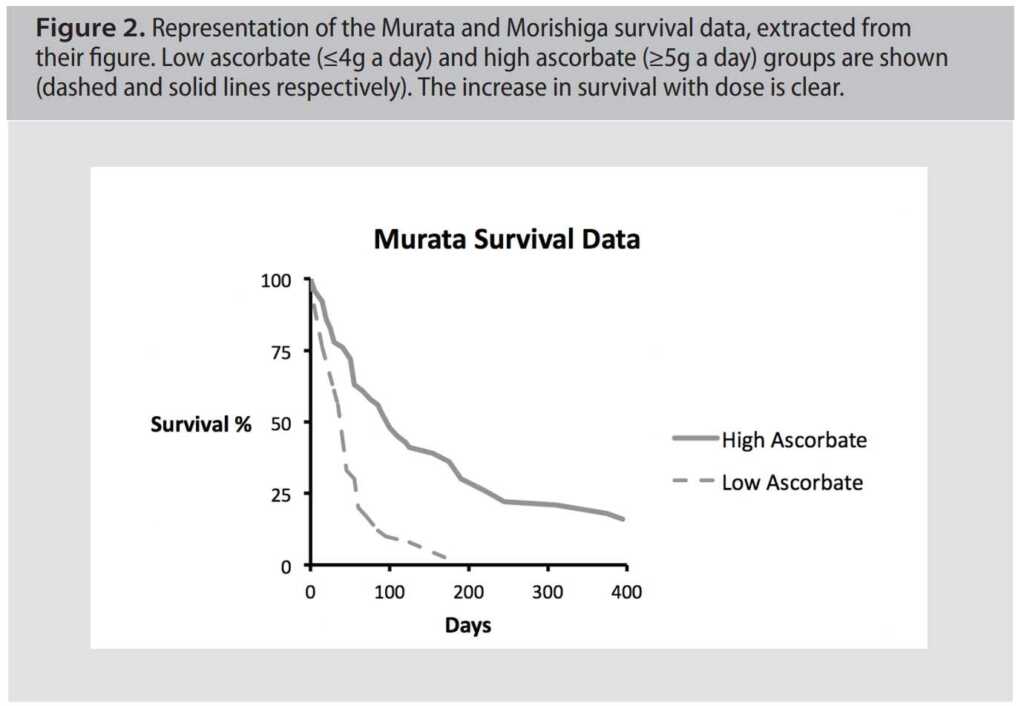
nCameron and Pauling performed a preliminary clinical trial, on the use of oral vitamin C in 100 terminal cancer patients. (5) Their results were remarkable, with vitamin C increasing the mean survival time more than 4.2 times, from 50 days (controls) to more than 200 days (treated). They reported that most treated patients had a lower risk of death and improved quality of life, while about 10% (13 patients) had survival times around 20 times longer than those of the control patients. Cameron treated 100 patients, who he compared with 1,000 matched controls. The survival curves for Cameron’s experiment are shown in Figure 1. (26)nn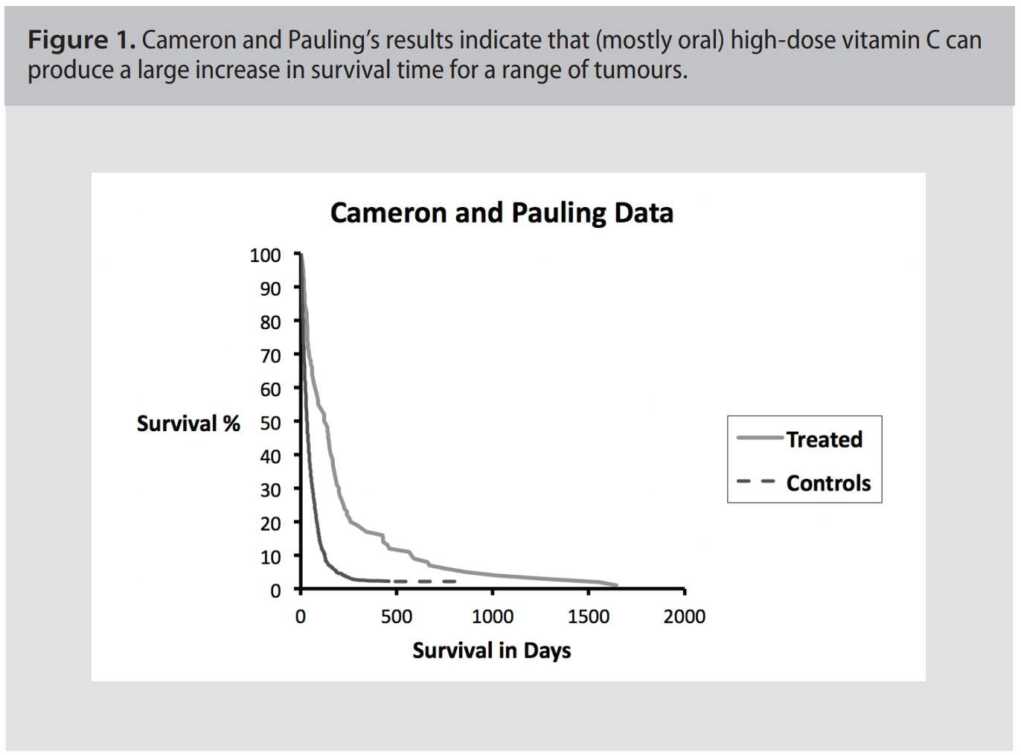 nn nnMurata and Morishige (10) also reported extended survival times from their use of oral vitamin C in cancer treatment of 99 patients. The average times of survival after the date of designation as terminal cancer cases were 43 days for 44 low-ascorbate patients and 246 days for 55 high-ascorbate patients. Their survival results are shown below in Figure 2. (26)nn
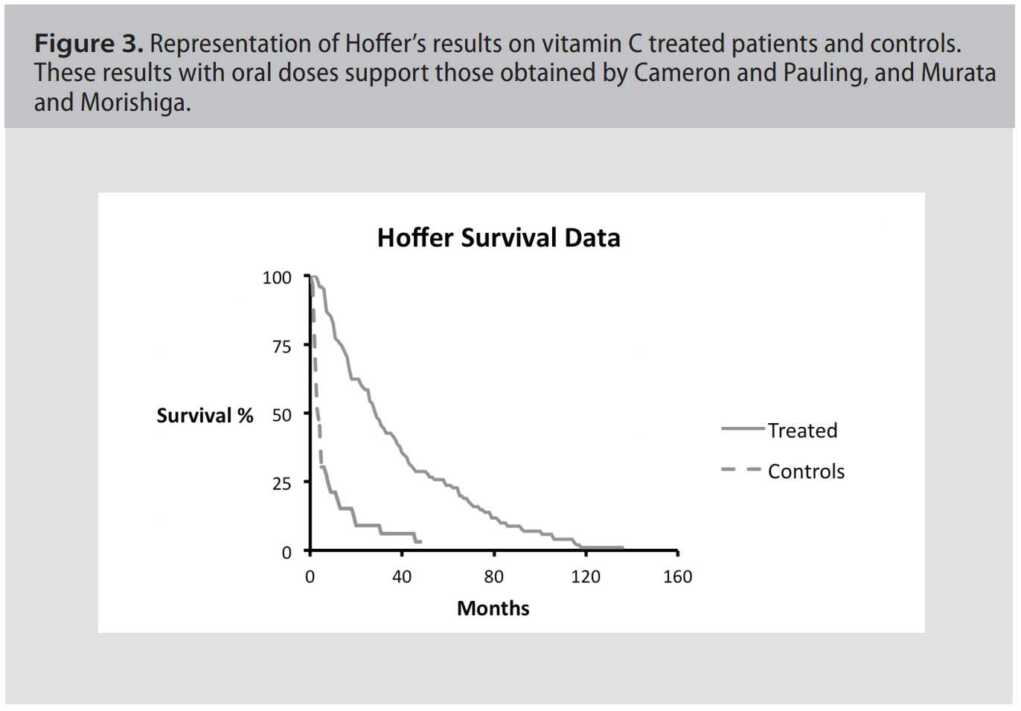
 nn nnDr. Abram Hoffer (27) also replicated those early trials, using oral vitamin C in cancer patients, and obtained similar positive results. The mean survival time for his 31 controls was 5.7 months. He treated approximately 101 patients, of whom he classified 20% as “poor responders,” even though they lived for approximately twice as long as controls (10 months). The remaining 80% of patients he classed as “good responders.” Of these, 32 patients, with cancers of the breast, ovary, cervix, or uterus, had a mean survival time of 122 months, and 47 patients, with other cancers, had a mean survival time of 72 months. The survival results are shown below in Figure 3. (26)nn
 n
n
The claim that oral doses of vitamin C are ineffective is simply not consistent with the data from these trials.
n nnThe Journal of Integrative Oncology article “The Cure from Nature: The Extraordinary Anticancer Properties of Ascorbate (Vitamin C)” states;n
“In the era of the “Evidence Based Medicine”, ascorbate is still considered, by some Authors, ineffective in preventing and treating cancer even though prominent scientists have demonstrated its effectiveness in studies published on prestigious journals with high Impact Factor (IF)… In very many ways, this is not surprising. Ascorbate is a cheap and “natural” nutrient that, as such, cannot undergo any patent submission, and no pharmaceutical company would ever invest on it to prevent or cure cancer. This is, according to our opinion, the only reason why ascorbate is still waiting for a definitive allocation within the therapeutic tool bag of anticancer “drugs”, even though its effectiveness is very well known since at least more than half a century… Almost a hundred years ago, Paul Erlich, the founder of modern chemotherapy, who received the Nobel Prize for Physiology and Medicine, hypothesized the creation of the “magic bullet” for use in the fight against human disease, thus inspiring generations of scientists to devise new powerful anticancer agents: today we know that the “magic bullet” is here; ascorbate..” (28)
n nnThe Pubmed database search for vitamin+C+and+cancer yields over 77,000 results. https://www.ncbi.nlm.nih.gov/pmc/?term=vitamin+C+and+cancernnThat’s pretty interesting….nn nnHigh dietary Vitamin C has been reported to reduce gastric cancer risk (29).nn“While vitamin C alone may not be enough of an intervention in the treatment of most active cancers, since it appears to improve quality of life and extend survival time, it should be considered as part of a treatment protocol for all patients with cancer, whether they have chosen a primarily orthodox, alternative medical, or complementary approach.” (30)nn nnHigher dietary Vitamin C intake before breast cancer diagnosis increased the chances of survival. This association was strongest among women aged over 65 in this study (31).nn nnMen with low Vitamin C levels have been reported to have a 62% higher risk of dying from cancer (32).nnVitamin C has been shown to lower pain and reduce the toxicity of some anticancer agents by reducing oxidative stress (33).nn nnVitamin C has been reported to alleviate a number of cancer and chemotherapy-related symptoms, such as fatigue, insomnia, loss of appetite, nausea, and pain (34).nnVitamin C is reported to improve the quality of life for cancer patients, including reduced pain and the need for painkillers, both in the presence and absence of chemo- and radiotherapy (34).nn nnVitamin C was reported to reduce pain by 55% in radiotherapy patients with bone cancer (35).nn nnStudies report reductions in inflammatory markers and suggest improvement in symptoms with use of Vitamin C (36).nn nnResearch published in August 2008 by the National Institutes of Health reported that “vitamin C, also known as ascorbate or ascorbic acid, reduced tumor weight and growth rate by about 50 percent in mouse models of brain, ovarian, and pancreatic cancers.” It continued with “These preclinical data provide a firm basis for advancing pharmacologic ascorbate in cancer treatment to humans.” (37)nn nnHow Much Vitamin C Do We Need?nnMost animals can synthesize their own requirements of Vitamin C, but since we humans cannot, we’re completely dependent upon dietary intake (38, 39).nnWe humans do not produce Vitamin C due to a mutation in the GULO (gulonolactone oxidase) gene, which results in the inability to synthesize the protein. Normal GULO is an enzyme that catalyses the reaction of D-glucuronolactone with oxygen to L-xylo-hex-3-gulonolactone. This then spontaneously forms Ascorbic Acid (Vitamin C). However, without the GULO enzyme (Which we humans don’t have), no vitamin C is produced (40).nnNot only do the vast majority of animals produce their own requirement of Vitamin C (39), their internal synthesis of Vitamin C is also greatly enhanced during stress (41).nnFor example, control rats metabolize, each day, 1.8 mg of Vitamin C per 100 mg body weight, while pentobarbital, 3-methylcholanthrene, and chloretone-treated rats, produce about 10 mg/100 mg of body weight (42).nnA 70 kg goat (the average weight used in calculations for adult males) will produce Vitamin C at 33 mg/kg/day or 2.31 g/day. Under stress or disease, the goat can produce 190 mg/kg/day or 13.3 g of vitamin C a day (43, 44). By extension, shouldn’t humans who cannot produce Vitamin C, be supplemented with grams of the vitamin even though the US and European dietary references recommend daily amounts in the order of milligrams? (45, 46, 47)nnThis is an indication that RDAs are designed to prevent deficiency disease, with very little nutrients to spare, but do not guarantee an optimal health condition, right?nn nnReports of Vitamin C Boosting ImmunitynnMany infections were reported to lead to reduced Vitamin C levels (48).nnVitamin C allegedly increases the functioning of various white blood cell types and decreases the replication of viruses (48, 49).nnVitamin C reportedly reduces the duration and severity of the common cold (49, 50, 51).nn“On the basis of reported subjective symptomatic relief and also on the lack of reported new symptoms of cold and flu between the control group and the test group, this study shows that megadose Vitamin C therapy can help prevent, as well as therapeutically treat, the symptoms of cold and flu.” (50)nnVitamin C reportedly reduces the incidence of colds at times of extreme physical stress (52, 53).nnVitamin C potentially reduces the incidence of pneumonia (53).nnVitamin C reportedly decreased the duration and severity of respiratory infections in male swimmers (54).nnVitamin C reportedly eradicates H. pylori infection in 30% of patients treated, which is a precursor for ulcers (55).nn nnVitamin C Has Been Reported To Help Reduce InflammationnnVitamin C reportedly reduces inflammation by lowering inflammatory cytokines (56, 57, 58).nnVitamin C can reportedly alleviate inflammation in patients with obesity, diabetes or high blood pressure (59).nn nnVitamin C reportedly reduced oxidative stress and inflammatory response to artificially induced inflammatory bowel disease (IBD) (reduced inflammatory cytokines, (MPO) and malonaldehyde (MDA) activities) (57).nn nnVitamin C Reportedly Protects the GutnnVitamin C was shown to improve gut tolerability to aspirin and other non-steroidal anti-inflammatory drugs in this study (NSAIDs) (60).nn nnVitamin C appears to save mice from irradiation-induced gut damage that is usually lethal (61).nn nnVitamin C Appears To Be Beneficial For MitochondriannVitamin C supposedly stimulates mitochondrial function, by decreasing ROS generation, stimulating the activity of manganese superoxide dismutase/SOD2 and glutathione peroxidase, and by modifying the activity of the electron transport chain (62).nn nnVitamin C is reported to protect the mitochondrial membrane and DNA against oxidative damage (63).nn nnVitamin C Is Purportedly Vital for Brain Healthnn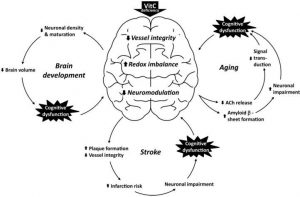 nnhttp://www.ncbi.nlm.nih.gov/pmc/articles/PMC4179190/figure/nutrients-06-03818-f001/nnAs evidence pointing to the importance of Vitamin C for brain health, the brain allegedly retains Vitamin C at the expense of other tissues during chronic states of deficiency and can uphold concentrations 100-fold higher than other organs, e.g. liver and kidney (64, 65).nnVitamin C is reported to play a role in many important functions in the brain, including reactive oxygen species scavenging, neuromodulation, and the development of new blood vessels (angiogenesis) (64).nn nnVitamin C allegedly modulates neurotransmitter systems of the brain (cholinergic, catecholaminergic, and glutamatergic) (64).nn nnVitamin C reportedly helps the general development of neurons through maturation, differentiation and myelin formation (64).nn nnVitamin C helps maintain the integrity and function of several processes in the vascular system, which helps brain function (64).nnVitamin C is professed to participate in neuronal maturation and myelin formation (the electrically insulating layer around nerves) and is also allegedly involved in transmitting signals through the nervous system via neurotransmitters (64).nnVitamin C also supposedly prevents neuronal damage (64).nnVitamin C has been implicated in inducing the expression of brain-derived-neurotrophic-factor (BDNF) (66), contributing to the defense mechanisms of the brain (64).nn nnDoes Vitamin C Help Improve Mood?nnLong-term Vitamin C deprivation has been linked to nervousness and emotional instability in this study (67).nnVitamin C reportedly increases oxytocin release according to these studies (68, 69).nnThere was allegedly a 35% reduction in mood disturbance in hospitalized patients following treatment with Vitamin C (70).nnA study found that Vitamin C supplementation does not have large effects on psychological performance, personality or current mental state, in young men (17–29 years) except in cases where supplementation corrects an existing deficiency (67).nn nnDoes Vitamin C Help Lower Anxiety?nnVitamin C reduced anxiety in high school students in this report (71).nnShort-term supplementation of Vitamin C was safe and beneficial for reducing anxiety levels in diabetic patients according to these study authors (72).nn nnVitamin C Helps to Combat Depression In StudiesnnMany studies have found that Vitamin C can reduce the severity of depressive disorders in both children and adults, as well as improve the mood of healthy individuals (68, 69).nnIn a trial including depressed shift workers, Vitamin C significantly decreased depression severity (69).nnVitamin C deficient mice are less active (73). nnPoor Vitamin C status is associated with increased symptoms of depression following an acute illness in older people (74).nnStudies have shown that adequate Vitamin C levels are necessary for the conversion of the neurotransmitter dopamine to norepinephrine (75), an important hormone in depression and mood swings (52), explaining why patients with Vitamin C depletion have significantly increased symptoms of depression (74).nnVitamin C has been shown to increases the effectiveness of antidepressants (69). Patients treated for six months with fluoxetine and Vitamin C showed a significant decrease in depressive symptoms compared to the fluoxetine plus placebo group according to studies (70).nn nnVitamin C Reduces Fatigue In StudiesnnAdministration of high dose Vitamin C reduced fatigue in office workers in this study (33).nnVitamin C delays fatigue in rats (76).nn nnVitamin C May Slow Age-Related Cognitive DeclinennChronic low Vitamin C status in humans is allegedly associated with neurodegenerative disorders (64).nnHigher Vitamin C intake has been associated with a better cognitive function in the elderly (64, 67).nnVitamin C levels were significantly lower in elderly people suffering from different kinds of dementia as per this study (64).nnVitamin C injected for 3 consecutive days improved learning and memory of aged mice (77).nnIn rodents, Vitamin C treatments countered the impaired memory caused by chronic sleep deprivation (78).nnIn animal models of Alzheimer’s disease, Vitamin C improved cognitive function (64).nnSupplementation with Vitamin C reduces the risk of Alzheimer’s disease in humans according to this study (64).nnIn the aging brain, Vitamin C deficiency may impair cognitive function through reduced signal transduction, as well as amyloid β deposition resulting in a generation of reactive oxygen species and increased risk of Alzheimer’s disease (64).nn nnVitamin C May Improve Blood PressurennVitamin C significantly lowered systolic and diastolic blood pressure in patients with mild-to-moderately high blood pressure according to the authors of this study (59).nn nnVitamin C May Be Beneficial for Blood FlownnAccording to some studies, high-dose Vitamin C can prevent or restore impaired blood flow (79) caused by reactive oxygen species (ROS), preserve the integrity of the blood vessel barrier, and strengthen antibacterial defenses (80).nnVitamin C helps to prevent blood vessel dysfunction, stimulate collagen synthesis, and enhances cell proliferation of blood vessel cells (49).nnVitamin C plays a positive role in reversing the earliest stages of hardening of the arteries (49).nnVitamin C deficiency may result in decreased blood vessel integrity, e.g. through decreased NOS generation and impaired synthesis of mature collagen. This might lead to increased plaque formation and incidence of stroke (64).nn nnVitamin C Appears To Lower Histamine LevelsnnWhen Vitamin C levels decrease, blood histamine levels increase (81).nnOral and intravenous administration of vitamin C results in a reduction of blood histamine levels. (81, 82). nn nnVitamin C Allegedly Protects the Lungs From Oxidative StressnnLevels of vitamin C in the lungs are reported to be up to 30 times higher than in the blood. Vitamin C gets consumed while it protects against oxidants, indicating that even a single dose of vitamin C can be effective in protecting against acute increases in oxidative stress in the lungs according to this study (83).nn nnVitamin C Is Reported To Be Beneficial for Exercise & RecoverynnVitamin C increases physical performance and decreases oxidative stress – but only in those with an already low Vitamin C status (84).nn nnVitamin C decreases the levels of free radicals generated during exercise and attenuates oxidative stress (83).nnVitamin C prevents exercise-induced muscle damage, immune dysfunction, and fatigue (85, 86). nnHowever, it is important to note that reactive oxygen species may actually control beneficial training adaptations that high doses of Vitamin C prevent from occurring (86, 87).nn nnVitamin C Combats Weight Gain?nnPeople with adequate levels of Vitamin C were reported to burn 30% more fat during moderate exercise compared to subjects with low Vitamin C levels (88).nnVitamin C supplementation has been associated with body weight reduction and a massive reduction in the number of fat cells in rats and guinea pigs (88).nnEight weeks of Vitamin C supplementation in a cafeteria model of obesity protected rats against diet-induced fat storage and excess leptin (88).nnLow Vitamin C levels are related to a high waist-to-hip ratio in this study (88).nnThis study further demonstrated that Vitamin C has been associated with a lower prevalence of obesity and with the prevention of weight gain in a 3-year follow-up study in adults (88).nn nnVitamin C is Beneficial for DiabeticsnnVitamin C administration improved whole-body glucose disposal and non-oxidative glucose metabolism in this study (88).nnReductions in glucose and insulin levels were much better in rats fed a high-fat diet supplemented with Vitamin C for 2 weeks, compared to those fed high fat alone (88).nnVitamin C protects against diabetic blindness, improves high-density lipoprotein-cholesterol (HDL-c), and improves blood vessel function (59). nnVitamin C may benefit patients with type 2 diabetes by decreasing blood glucose and lipids (89).nnVitamin C has been shown to inhibit production of cortisol/glucocorticoids which raise blood sugar (88).nn nnVitamin C Facilitates Collagen ProductionnnStabilization of collagen by Vitamin C is critical to forming the connective tissue framework of the entire body; including skin, bones, cartilage, tendons, ligaments, and blood vessels (49).nnThe final steps of collagen production depend on Vitamin C (Vitamin C acts as an electron donor in the hydroxylation of procollagen prolyl and lysyl residues) (64).nnVitamin C deficiency disrupts collagen maturation, leading to an impaired integrity of the blood vessel wall, hemorrhage, and cerebral bleedings in mice (64).nn nnVitamin C is Good for BonesnnVitamin C is essential for normal bone development (90).nnIn humans, there is a positive relationship between Vitamin C levels and bone health, indicated by bone mineral density, fracture probability, and bone turnover markers (91).nnVitamin C-deficient animals show impaired bone health and decreased bone formation. Vitamin C supplementation was able to prevent bone loss in several animal models (91).nnIn addition to stabilizing collagen in bone matrix (91), Vitamin C also scavenges free radicals detrimental to bone health (91).nnVitamin C deficiency plays an important role in spontaneous bone fracture by inhibiting bone cell differentiation and promoting transition of bone cells into fat cells in mice (92).nnDaily use of Vitamin C supplements, along with estrogen replacement therapy and calcium supplements, can help increase bone mass in postmenopausal women (93, 93).nnHigher Vitamin C intakes were associated with a lower risk of osteoporosis in Korean adults aged over 50 with low levels of physical activity (95).nn nnVitamin C is Great for Your SkinnnVitamin C contributes to the maintenance of healthy skin (96).nnApplied to the skin, topical Vitamin C is highly efficient as a rejuvenation therapy, inducing significant collagen synthesis with minimal side effects (97).nnTopical Vitamin C can partially correct structural changes associated with the aging process (98).nnVitamin C is an effective short-term treatment for melasma and post-inflammatory hyperpigmentation (99).nn nnVitamin C May Protect From StrokennBrain Vitamin C concentrations increase during ischemia (inadequate blood supply) (64).nnIn rodents and primates, Vitamin C reduced the area of brain deprived of blood supply during a stroke (64).nnIn humans, higher Vitamin C levels are associated with a lower likelihood of stroke (64).nn nnVitamin C is Beneficial for SmokersnnPeople who smoke have lower levels of blood and cellular Vitamin C (and vitamin E) (49).nnVitamin C supplements of 500 mg twice daily for two weeks were sufficient to normalize the disappearance rate of vitamin E in smokers (49).nn nnVitamin C Increases Frequency Of SexnnIn one study, high-dose Vitamin C improved mood and increased the intercourse frequency of 42 healthy adults (68).nn nnVitamin C Combats Motion SicknessnnMotion sickness, also called seasickness, is a common disturbance of the inner ear. This is the area of the body that affects your sense of balance and equilibrium. Motion sickness happens when your brain receives conflicting messages about motion and your body’s position in space.nnHistamine is a potential causative agent of seasickness. People exposed to waves show increases in histamine levels.nnVitamin C is effective in suppressing symptoms of seasickness, particularly in younger individuals (100).nn nnVitamin C Reduces Toxin BurdennnVitamin C reduces the amount of persistent organic pollutants (POPs) in the human body according to this study (101).nn nnVitamin C Improves Sperm QualitynnVitamin C improved sperm motility and structure in men in this study (102).nn nnVitamin C is Reportedly Beneficial During PregnancynnStudies found that babies weighed more when they and their mothers had higher blood Vitamin C levels (103, 104).nnIn the developing brain of a baby, neuronal density and maturation are compromised by Vitamin C deficiency, giving rise to decreased brain volume (64).nnAn absence of Vitamin C is detrimental to survival in newborn mice. Furthermore, deficiency around birth reduced hippocampal volume and neuron number and cause decreased spatial cognition in guinea pigs (64).nn nnVitamin C is Allegedly Beneficial After SurgerynnBlood Vitamin C concentrations fall after surgery, and further decrease in patients under surgical intensive care, due to an increased demand caused by increased oxidative stress (105).nnIn gastrointestinal surgery, continuous administration of Vitamin C reduced post-operative oxidative stress (105).nnPost-operative atrial fibrillation (abnormal heart rhythm) was prevented after cardiac surgery by vitamin C supplementation (105).nn nnVitamin C and HormonesnnVitamin C is associated with higher levels of progesterone and follicle-stimulating hormone in healthy premenopausal women (106). nn nnVitamin C Reportedly Increases Nutrient AvailabilitynnVitamin C enhances the bioavailability of other nutrients, such as vitamin E and non-heme iron, which may enhance the health effects of Vitamin C-containing foods (107).nn nnVitamin C Shown To Lower CortisolnnVitamin C inhibits production of cortisol/glucocorticoids (88), which signifies that it lowers people’s stress response.nn nnOthersnnVitamin C is extremely important as an antioxidant owing to its ability to neutralize oxygen and nitrogen-based radicals, and because it also recycles both vitamin E and BH4 (tetrahydrobiopterin), which have key antioxidant and enzyme cofactor functions (67).nnVitamin C contributes to many important enzyme reactions, including those leading to the synthesis of norepinephrine, carnitine, cholesterol, amino acids, and several peptide hormones (49).nnBecause of its structural similarity to glucose, Vitamin C can replace glucose in many chemical reactions, and it can prevent the non-enzymatic glycosylation of proteins (59).nnCountless sailors were lost at sea over the centuries because of scurvy sickness (severe Vitamin C deficiency) (67) Dr. James Lind’s sailors recovered from scurvy in a matter of days when they were given citrus fruits containing small amounts of vitamin C (108).nnRegarding AIDS (Acquired Immune Deficiency Syndrome), “Ascorbate does ameliorate the AID syndrome to a significant degree. I want to emphasize, however, the absolute necessity of massive doses.” (109) [Ameliorate means to make improvements to or better the situation of.]nn nnOrgans With The Highest Vitamin C NeednnVitamin C is found in high concentrations in the pituitary, adrenals, and the ovaries, but muscles, the brain, and liver contain the largest stores of this vitamin (107).nn nnSymptoms of Vitamin C DeficiencynnEarly indications of Vitamin C deficiency are fatigue, malaise, depression, and they may manifest as a reduced desire to be physically active (52).nnScurvy (pathological Vitamin C deficiency) leads to blood vessel fragility resulting in hemorrhage, as well as connective tissue damage due to failure in collagen production, often leading to loss of teeth and tendon rupture. At worse, scurvy can lead to death (56, 49).nnClinical scurvy can be avoided with intake of as little as 10 mg of Vitamin C per day (67). However, mild Vitamin C depletion has been observed in 10-30 % of the presumed healthy population (64, 67).nn nnFactors That Cause Low Vitamin CnnNon-supplementing men aged 20–49 are particularly at risk of poor Vitamin C status (52).nnVitamin C concentrations decrease with age (58).nnPatients receiving kidney dialysis are prone to deficiency of Vitamin C (110).nnSchizophrenic patients tend to have significantly lower levels of blood Vitamin C (111).nnSubgroups at particular risk of Vitamin C deficiency are communities of low socio-economic status, smokers, elderly, pregnant women, and children with poor nutritional status (64).nnBlood Vitamin C levels differ according to polymorphisms of SVCT2 and SVCT1 (67).nnNatural sources of Vitamin Cnn
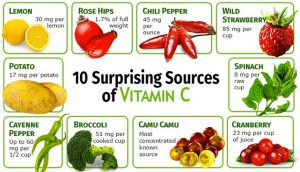 nnAs shown in the picture above, you can find variable amounts of Vitamin C in many fruits and vegetables. Personally, to get a truly therapeutic dose and to be able to measure exactly how much Vitamin C I am getting daily (food levels vary), I choose to supplement.nnMost comparative bioavailability studies in humans have shown no differences between synthetic and natural Vitamin C, regardless of the subject population, study design or intervention used (107).nn nn“I have not heard of ascorbic acid killing anyone, if it had, it would be headlined in the New York Times.” (112)nn nnReferences:n
- n
- Pauling, Linus (1997). Pauling, Jr., Linus, ed. Selected papers of Linus Pauling (Volume I ed.). River Edge, NJ: World Scientific https://www.worldscientific.com/worldscibooks/10.1142/3213
- Horgan, J (1993). “Profile: Linus C. Pauling – Stubbornly Ahead of His Time”. Scientific American. 266 (3): 36–40. https://www.scientificamerican.com/magazine/sa/1993/03-01/
- Simmons, John (1996). The scientific 100: a ranking of the most influential scientists, past and present. Secaucus, NY: Carol Publ. Group https://web.archive.org/web/20080129035614/http://www.adherents.com/people/100_scientists.html
- Cameron E, and A Campbell. “The Orthomolecular Treatment of Cancer. II. Clinical Trial of High-dose Ascorbic Acid Supplements in Advanced Human Cancer.” Chemico-biological Interactions, vol. 9, no. 4, 1974 pp. 285-315.
- Cameron E, Pauling L., Supplemental ascorbate in the supportive treatment of cancer: Prolongation of survival times in terminal human cancer. Proc Natl Acad Sci U S A. 1976;73(10):3685-9.
- Cameron E, Pauling L., Supplemental ascorbate in the supportive treatment of cancer: reevaluation of prolongation of survival times in terminal human cancer. Proc Natl Acad Sci U S A. 1978;75(9):4538-42.
- Head, Kathleen. scorbic Acid in the Prevention and Treatment of Cancer. Alternative Medicine Review 1998 (Jun); 3 (3): 174–186. https://chiro.org/Graphics_Box_NUTRITION/Ascorbic_Acid_in_the_Prevention.pdf
- https://chiro.org/Graphics_Box_NUTRITION/Ascorbic_Acid_in_the_Prevention.pdf Oregon State University Special Collections & Archives Research Center. http://scarc.library.oregonstate.edu/coll/cameron/index.html (Accessed 03/05/2019)
- Oregon State University Special Collections & Archives Research Center. Vitamin C and Cancer: A Personal Perspective by Dr. Ewan Cameron. September 29-30, 1984. 8 pages. http://scarc.library.oregonstate.edu/coll/cameron/cameron-personal/page7.html
- Murata A, Morishige F, Yamaguchi H. Prolongation of survival times of terminal cancer patients by administration of large doses of ascorbate. International Journal for Vitamin and Nutrition Research Supplement. 1982;23:103-113
- Yun J, Mullarky E, Lu C, Bosch KN, Kavalier A, Rivera K, et al. Vitamin C selectively kills KRAS and BRAF mutant colorectal cancer cells by targeting GAPDH. Science. 2015;350:1391-1396
- Van der Reest J, Gottlieb E. Anti-cancer effects of vitamin C revisited. Cell Research. 2016;26:269-270
- Reczek CR, Chandel NS. Revisiting vitamin C and cancer: A high dose of vitamin C kills certain colon cancer cells. Science. 2016:350:1317-1318 https://web.archive.org/web/20230404150757/https://www.aepromo.org/curso_cancer_03-16/gregorio/2015_ScienceCancerVitaminC.pdf
- Hartel, C., Strunk, T., Bucsky, P., & Schultz, C. (2004). Effects of vitamin C on intracytoplasmic cytokine production in human whole blood monocytes and lymphocytes. Cytokine, 27(4-5), 101-106.
- Huang, H.Y., Helzlsouer, K.J., and Appel, L.J. (2000). The effects of vitamin C and vitamin E on oxidative DNA damage: results from a randomized controlled trial. Cancer Epidemiology, Biomarkers & Prevention, 9(7), 647-652.
- Kim, J., Lee, S.D., Chang, B., Jin, D.H., Jung, S., Park, M.Y., Han, Y., &….Lee, M.S. (2012). Enhanced antitumor activity of vitamin C via p53 in cancer cells. Free Radical Biology & Medicine, 53(8), 1607-1615.
- Lee, K.W., Lee, H.J., Surh, Y.J., & Lee, C.Y. (2003). Vitamin C and cancer chemoprevention: reappraisal. American Journal of Clinical Nutrition, 78(6), 1074-1078.
- Uetaki M, Tabata S, Nakasuka F, Soga T, Tomita M. Metabolomic alterations in human cancer cells by vitamin C-induced oxidative stress. Sci Rep. 2015;5:13896. Published 2015 Sep 9.
- Carr AC, Maggini S. Vitamin C and Immune Function. Nutrients. 2017;9:E1211.
- Frei B, Stocker R, England L, Ames BN. Ascorbate: the most effective antioxidant in human blood plasma. Adv Exp Med Biol. 1990;264:155-63. doi: 10.1007/978-1-4684-5730-8_24. PMID: 2244489.
- Dennis JM, Witting PK. Protective Role for Antioxidants in Acute Kidney Disease. Nutrients. 2017;9:E718.
- Mussa A, Mohd Idris RA, Ahmed N, Ahmad S, Murtadha AH, Tengku Din TADAA, Yean CY, Wan Abdul Rahman WF, Mat Lazim N, Uskoković V, Hajissa K, Mokhtar NF, Mohamud R, Hassan R. High-Dose Vitamin C for Cancer Therapy. Pharmaceuticals. 2022; 15(6):711.
- Zhou J, Chen C, Chen X, Fei Y, Jiang L, Wang G. Vitamin C Promotes Apoptosis and Cell Cycle Arrest in Oral Squamous Cell Carcinoma. Front Oncol. 2020 Jun 10;10:976.
- van Gorkom GNY, Klein Wolterink RGJ, Van Elssen CHMJ, Wieten L, Germeraad WTV, Bos GMJ. Influence of Vitamin C on Lymphocytes: An Overview. Antioxidants (Basel). 2018;7:E41.
- Nabzdyk, CS, Bittner, EA. Vitamin C in the critically ill – indications and controversies. World J Crit Care Med. 2018;7:52–61
- Hickey S, Roberts H (2013) Vitamin C and Cancer: Is There A Use For Oral Vitamin C? Journal of Orthomolecular Medicine, Vol 28, No 1, 2013: 33-44.
- Hoffer A, Pauling L, (1990) Hardin Jones Biostatistical Analysis of Mortality Data for Cohorts of Cancer Patients with a Large Fraction Surviving at the Termination of the Study and a Comparison of Survival Times of Cancer Patients Receiving Large Regular Oral Doses of Vitamin C and Other Nutrients with Similar Patients Not Receiving Those Doses. Journal of Orthomolecular Medicine, 5(3) 143-154. https://web.archive.org/web/20100613074051/http://orthomolecular.org:80/library/jom/1990/pdf/1990-v05n03-p143.pdf
- Mastrangelo D, Massai L, Fioritoni G, Lo Coco F, Nuti R (2016) The Cure from Nature: The Extraordinary Anticancer Properties of Ascorbate (Vitamin C). Journal of Integrative Oncology 5: 157
- Waring AJ, Drake IM, Schorah CJ, et al. Ascorbic acid and total vitamin C concentrations in plasma, gastric juice, and gastrointestinal mucosa: effects of gastritis and oral supplementation. Gut. 1996;38(2):171-6.
- Head KA. Ascorbic acid in the prevention and treatment of cancer. Altern Med Rev. 1998;3(3):174–186.
- Harris HR, Bergkvist L, Wolk A. Vitamin C intake and breast cancer mortality in a cohort of Swedish women. Br J Cancer. 2013;109(1):257-64.
- Catherine M Loria, Michael J Klag, Laura E Caulfield, Paul K Whelton; Vitamin C status and mortality in US adults, The American Journal of Clinical Nutrition, Volume 72, Issue 1, 1 July 2000, Pages 139–145
- Suh SY, Bae WK, Ahn HY, Choi SE, Jung GC, Yeom CH. Intravenous vitamin C administration reduces fatigue in office workers: a double-blind randomized controlled trial. Nutr J. 2012;11:7. Published 2012 Jan 20.
- Carr AC, Vissers MC, Cook JS. The effect of intravenous vitamin C on cancer- and chemotherapy-related fatigue and quality of life. Front Oncol. 2014;4:283. Published 2014 Oct 16.
- Kiziltan H. S., Bayir A. G., Demirtas M., Meral I., Taspinar O., Eris A. H., et al. (2014). Ascorbic-acid treatment for progressive bone metastases after radiotherapy: a pilot study. Altern. Ther. Health Med. 20(Suppl. 2), 16–20.
- Klimant E, Wright H, Rubin D, Seely D, Markman M. Intravenous vitamin C in the supportive care of cancer patients: a review and rational approach. Curr Oncol. 2018;25(2):139-148.
- Chen Q, Espey MG, Sun AY, et al. Pharmacologic doses of ascorbate act as a` prooxidant and decrease growth of aggressive tumor xenografts in mice. Proc Natl Acad Sci U S A 2008;105:11105-9.10.1073/pnas. 0804226105.
- Davey, M. W., Montagu, M. V., Inzé, D. , Sanmartin, M. , Kanellis, A. , Smirnoff, N. , Benzie, I. J., Strain, J. J., Favell, D. and Fletcher, J. (2000), Plant L‐ascorbic acid: chemistry, function, metabolism, bioavailability and effects of processing. J. Sci. Food Agric., 80: 825-860.
- Chatterjee IB. Vitamin C: biosynthesis, evolutionary significance and biological function. PINSA. 1998;64:213–34.
- Macknight R. C., Laing W. A., Bulley S. M., Broad R. C., Johnson A. A., Hellens R. P. (2017). Increasing ascorbate levels in crops to enhance human nutrition and plant abiotic stress tolerance. Curr. Opin. Biotechnol. 44 153–160.
- Hooper MH, Carr A, Marik PE. The adrenal-vitamin C axis: from fish to guinea pigs and primates. Crit Care. 2019 Jan 28;23(1):29.
- BOYLAND E, JONDORF WR. The stimulation of ascorbic acid excretion in rats. Br J Cancer. 1962 Sep;16(3):489-93.
- Stone I. Eight decades of scurvy. The case history of a misleading dietary hypothesis. Orthomolecular Psychiatry. 1979;8:58–62.
- Jackson JA, Wong K, Krier C, Riordan HD (2005) Screening for Vitamin C in the Urine: Is it Clinically Significant” JOM 20: 259-261.
- Levine M., Wang Y., Padayatty S.J. and Morrow J. (2001) A new recommended dietary allowance of vitamin C for healthy young women. Proc. Natl Acad. Sci. USA 98, 9842–9846
- EFSA, Panel on Dietetic Products, Nutrition and Allergies (NDA) (2013) Scientific Opinion on Dietary Reference Values for vitamin C. EFSA J 11: 3418.
- Frei & M.G. Traber (2001) The new US Dietary Reference Intakes for vitamins C and E, Redox Report, 6:1, 5-9,
- Hemilä H, Louhiala P. Vitamin C may affect lung infections. J R Soc Med. 2007;100(11):495-8.
- Aguirre R, May JM. Inflammation in the vascular bed: importance of vitamin C. Pharmacol Ther. 2008;119(1):96-103.
- C. Gorton and K. Jarvis, “The effectiveness of Vitamin C in preventing and relieving the symptoms of virus-induced respiratory infections,” Journal of Manipulative and Physiological Therapeutics, vol. 22, no. 8, pp. 530–533, 1999.
- Hemilä H. Vitamin C and Infections. Nutrients. 2017;9(4):339. Published 2017 Mar 29.
- Johnston CS, Barkyoumb GM, Schumacher SS. Vitamin C supplementation slightly improves physical activity levels and reduces cold incidence in men with marginal vitamin C status: a randomized controlled trial. Nutrients. 2014;6(7):2572-83. Published 2014 Jul 9.
- Hemila H, Douglas RM. Vitamin C and acute respiratory infections. Int J Tuberc Lung Dis. 1999;3(9):756–761.
- Constantini N.W., Dubnov-Raz G., Eyal B.B., Berry E.M., Cohen A.H., Hemilä H. The effect of vitamin C on upper respiratory infections in adolescent swimmers: A randomized trial. Eur. J. Pediatr. 2011;170:59–63.
- Hussain A, Tabrez E, Peela J, Honnavar P, Tabrez SSM. Vitamin C: A Preventative, Therapeutic Agent Against Helicobacter pylori. Cureus. 2018;10(7):e3062. Published 2018 Jul 30.
- Grosso G., Bei R., Mistretta A., Marventano S., Calabrese G., Masuelli L. et al. (2013) Effects of vitamin C on health: a review of evidence. Front. Biosci. 18, 1017–1029
- Yan H, Wang H, Zhang X, Li X, Yu J. Ascorbic acid ameliorates oxidative stress and inflammation in dextran sulfate sodium-induced ulcerative colitis in mice. Int J Clin Exp Med. 2015;8(11):20245-53. Published 2015 Nov 15.
- Winklhofer-Roob B. M., Ellemunter H., Frühwirth M., et al. Plasma vitamin C concentrations in patients with cystic fibrosis: evidence of associations with lung inflammation. American Journal of Clinical Nutrition. 1997;65(6):1858–1866.
- Ellulu MS, Rahmat A, Patimah I, Khaza’ai H, Abed Y. Effect of vitamin C on inflammation and metabolic markers in hypertensive and/or diabetic obese adults: a randomized controlled trial. Drug Des Devel Ther. 2015;9:3405-12. Published 2015 Jul 1.
- Patel V., Fisher M., Voelker M., Gessner U. Gastrointestinal effects of the addition of ascorbic acid to aspirin. Pain Pract. 2012;12:476–484.
- Ito Y, Kinoshita M, Yamamoto T, et al. A combination of pre- and post-exposure ascorbic acid rescues mice from radiation-induced lethal gastrointestinal damage. Int J Mol Sci. 2013;14(10):19618-35. Published 2013 Sep 27.
- Valdecantos, M.P.; Perez-Matute, P.; Quintero, P.; Martinez, J.A. Vitamin C, resveratrol and lipoic acid actions on isolated rat liver mitochondria: All antioxidants but different. Redox Rep. 2010, 15, 207–216.
- Sagun, K.C.; Carcamo, J.M.; Golde, D.N. Vitamin C enters mitochondria via facilitative glucose transporter 1 (Glut1) and confers mitochondrial protection against oxidative injury. FASEB J. 2005, 19, 1657–1667.
- Hansen, Stine Normann et al. “Does vitamin C deficiency affect cognitive development and function?” Nutrients vol. 6,9 3818-46. 19 Sep. 2014
- Bourre JM. Effects of nutrients (in food) on the structure and function of the nervous system: update on dietary requirements for brain. Part 1: micronutrients. J Nutr Health Aging 2006; 10: 377–385.
- Grant, M. M., Barber, V. S. and Griffiths, H. R. (2005), The presence of ascorbate induces expression of brain derived neurotrophic factor in SH‐SY5Y neuroblastoma cells after peroxide insult, which is associated with increased survival. Proteomics, 5: 534-540.
- Harrison FE. A critical review of vitamin C for the prevention of age-related cognitive decline and Alzheimer’s disease. J Alzheimers Dis. 2012;29(4):711-26.
- Brody S. High-dose ascorbic acid increases intercourse frequency and improves mood: A randomized controlled clinical trial. Biol. Psychiatry. 2002;52:371–374.
- Sahraian A, Ghanizadeh A, Kazemeini F. Vitamin C as an adjuvant for treating major depressive disorder and suicidal behavior, a randomized placebo-controlled clinical trial. Trials. 2015;16:94. Published 2015 Mar 14.
- Amr M, El-Mogy A, Shams T, Vieira K, Lakhan SE. Efficacy of vitamin C as an adjunct to fluoxetine therapy in pediatric major depressive disorder: a randomized, double-blind, placebo-controlled pilot study. Nutr J. 2013;12:31. Published 2013 Mar 9.
- de Oliveira IJ, de Souza VV, Motta V, Da-Silva SL. Effects of oral vitamin C supplementation on anxiety in students: a double-blind, randomized, placebo-controlled trial. Pak J Biol Sci. 2015;18:11–18.
- Mazloom Z, Ekramzadeh M, Hejazi N. Efficacy of supplementary vitamins C and E on anxiety, depression and stress in type 2 diabetic patients: A randomized, single-blind, placebo-controlled trial. Pak J Biol Sci. 2013;16:1597–600.
- Chen Y, Curran CP, Nebert DW, Patel KV, Williams MT, Vorhees CV. Effect of vitamin C deficiency during postnatal development on adult behavior: functional phenotype of Gulo-/- knockout mice. Genes Brain Behav. 2012;11(3):269-77.
- Gariballa S. Poor vitamin C status is associated with increased depression symptoms following acute illness in older people. Int. J. Vitam. Nutr. Res. 2014;84:12–17.
- Harrison FE, May JM. Vitamin C function in the brain: vital role of the ascorbate transporter SVCT2. Free Radic Biol Med. 2009;46(6):719-30.
- H. Richardson and R.B. Allen, “Dietary Supplementation with Vitamin C Delays the Onset of Fatigue in Isolated Striated Muscle of Rats,” Canadian Journal of Applied Sport Sciences, 1983 Sep;8(3):140-2.
- Parle M., Dhingra D. (2003). Ascorbic Acid: a promising memory-enhancer in mice. J. Pharmacol. Sci. 93, 129–135.
- Mhaidat N. M., Alzoubi K. H., Khabour O. F., Tashtoush N. H., Banihani S. A., Abdul-razzak K. K. Exploring the effect of vitamin C on sleep deprivation induced memory impairment. Brain Research Bulletin. 2015;113:41–47.
- Hornig, Bryan & Arakawa, N & Kohler, C & Drexler, H. (1998). Vitamin C Improves Endothelial Function of Conduit Arteries in Patients With Chronic Heart Failure. Circulation. 97. 363-8. 10.1161/01.CIR.97.4.363.
- Oudemans-van Straaten HM, Spoelstra-de Man AM, de Waard MC. Vitamin C revisited. Crit Care. 2014;18(4):460. Published 2014 Aug 6.
- Alan B. Clemetson; Histamine and Ascorbic Acid in Human Blood, The Journal of Nutrition, Volume 110, Issue 4, 1 April 1980, Pages 662–668
- Hagel A.F., Layritz C.M., Hagel W.H., Hagel H.J., Hagel E., Dauth W., Kressel J., Regnet T. Intravenous infusion of ascorbic acid decreases serum histamine concentrations in patients with allergic and non-allergic diseases. Naunyn-Schmiedebergs Arch. Pharmacol. 2013;386:789–793.
- Hemilä H. The effect of vitamin C on bronchoconstriction and respiratory symptoms caused by exercise: a review and statistical analysis. Allergy Asthma Clin Immunol. 2014;10(1):58. Published 2014 Nov 27.
- Paschalis, V.; Theodorou, A.A.; Kyparos, A.; Dipla, K.; Zafeiridis, A.; Panayiotou, G.; Vrabas, I.S.; Nikolaidis, M.G. Low Vitamin C Values Are Linked with Decreased Physical Performance and Increased Oxidative Stress: Reversal by Vitamin C Supplementation. Eur. J. Nutr. 2016, 55, 45–53.
- Nakhostin-Roohi B., Babaei P., Rahmani-Nia F., Bohlooli S. Effect of vitamin C supplementation on lipid peroxidation, muscle damage and inflammation after 30-min exercise at 75% VO2max. J Sports Med Phys Fitness. 2008;48:217–224.
- Braakhuis AJ. Effect of vitamin C supplements on physical performance. Curr Sports Med Rep. 2012;11:180–184. doi: 10.1249/JSR.0b013e31825e19cd.
- Mari-Carmen Gomez-Cabrera, Elena Domenech, Marco Romagnoli, Alessandro Arduini, Consuelo Borras, Federico V Pallardo, Juan Sastre, Jose Viña; Oral administration of vitamin C decreases muscle mitochondrial biogenesis and hampers training-induced adaptations in endurance performance, The American Journal of Clinical Nutrition, Volume 87, Issue 1, 1 January 2008, Pages 142–149
- Garcia-diaz D. F., Lopez-Legarrea P., Quintero P., Martinez J. A. (2014). Vitamin C in the treatment and/or prevention of obesity. J. Nutr. Sci. Vitaminol. 60 367–379.
- Afkhami-Ardekani M. Effect of vitamin c on blood glucose, serum lipids & serum insulin in type 2 diabetic patients. Indian Journal of Medical Research. 2007;126(5):471–474.
- Sahni S, Hannan MT, Gagnon D, et al. High vitamin C intake is associated with lower 4-year bone loss in elderly men. J Nutr. 2008;138(10):1931-8.
- Chin KY, Ima-Nirwana S. Vitamin C and Bone Health: Evidence from Cell, Animal and Human Studies. Curr Drug Targets. 2018;19:439–50.
- Park JK, Lee EM, Kim AY, et al. Vitamin C deficiency accelerates bone loss inducing an increase in PPAR-γ expression in SMP30 knockout mice. Int J Exp Pathol. 2012;93(5):332-40.
- Morton D. J., Barrett-Connor E. L., Schneider D. L. Vitamin C supplement use and bone mineral density in postmenopausal women. Journal of Bone and Mineral Research. 2001;16(1):135–140.
- Hall SL, Greendale GA. The relation of dietary vitamin C intake to bone mineral density: results from the PEPI study. Calcif Tissue Int. 1998;63:183–189.
- Kim MH, Lee HJ. Osteoporosis, vitamin C intake, and physical activity in Korean adults aged 50 years and over. J Phys Ther Sci. 2016;28(3):725-30.
- Duarte TL, Cooke MS, Jones GD. Gene expression profiling reveals new protective roles for vitamin C in human skin cells. Free Radic Biol Med. 2009;46:78–87.
- Crisan D, Roman I, Crisan M, Scharffetter-Kochanek K, Badea R. The role of vitamin C in pushing back the boundaries of skin aging: an ultrasonographic approach. Clin Cosmet Investig Dermatol. 2015;8:463-70. Published 2015 Sep 2.
- Sauermann K, Jaspers S, Koop U, Wenck H. Topically applied vitamin C increases the density of dermal papillae in aged human skin. BMC Dermatol. 2004;4(1):13. Published 2004 Sep 29.
- Taylor MB, Yanaki JS, Draper DO, et al. Successful short-term and long-term treatment of melasma and postinflammatory hyperpigmentation using vitamin c with a full-face iontophoresis mask and a mandelic/malic acid skin care regimen. J Drugs Dermatol. 2013;12(1):45–50.
- Jarisch R, Weyer D, Ehlert E, et al. Impact of oral vitamin C on histamine levels and seasickness. J Vestib Res Equilib Orientat. 2014;24:281–288.
- Guo W, Huen K, Park JS, Petreas M, Crispo Smith S, Block G, et al. . Vitamin C intervention may lower the levels of persistent organic pollutants in blood of healthy women – a pilot study. Food Chem Toxicol. (2016) 92:197–204.
- Cyrus A, Kabir A, Goodarzi D, Moghimi M. The effect of adjuvant vitamin C after varicocele surgery on sperm quality and quantity in infertile men: a double blind placebo controlled clinical trial. Int Braz J Urol. 2015;41(2):230-8.
- Jain SK, Wise R, Yanamandra K, Dhanireddy R, Bocchini JA., Jr The effect of maternal and cord-blood vitamin C, vitamin E and lipid peroxide levels on newborn birth weight. Molecular and Cellular Biochemistry. 2008;309(1–2):217–221.
- Ma N, Hardy DB. The fetal origins of the metabolic syndrome: can we intervene?. J Pregnancy. 2012;2012:482690.
- Fukushima R, Yamazaki E. Vitamin C requirement in surgical patients. Curr Opin Clin Nutr Metab Care. 2010;13:669–76.
- Mumford SL, Browne RW, Schliep KC, Schmelzer J, Plowden TC, Michels KA, Sjaarda LA, Zarek SM, Perkins NJ, Messer LC, et al. Serum antioxidants are associated with serum reproductive hormones and ovulation among healthy women. J Nutr 2016;146:98–106.
- Carr AC, Vissers MC. Synthetic or food-derived vitamin C–are they equally bioavailable?. Nutrients. 2013;5(11):4284-304. Published 2013 Oct 28. doi:10.3390/nu5114284
- Bartholomew M. James Lind’s Treatise of the Scurvy (1753). Postgrad Med J. 2002;78(925):695-6.
- Cathcart RF., III Vitamin C in the treatment of Acquired Immune Deficiency Syndrome (AIDS) Medical Hypotheses. 1984;14(4):423–433.
- Deicher R., Ziai F., Bieglmayer C., Schillinger M., Hörl W.H. Low total vitamin C plasma level is a risk factor for cardiovascular morbidity and mortality in hemodialysis patients. J. Am. Soc. Nephrol. 2005;16:1811–1818.
- Suboticanec K, Folnegovic-Smalc V, Korbar M, Mestrovic B, Buzina R. Vitamin C status in chronic schizophrenia. Biol Psychiatry. 1990;28:959–966.
- In Memoriam, Journal of Orthomolecular Medicine Vol. 20, No. 1, 2005, pp 3-9
n
n
n
n
n
n
n
n
n
n
n
n
n
n
n
n
n
n
n
n
n
n
n
n
n
n
n
n
n
n
n
n
n
n
n
n
n
n
n
n
n
n
n
n
n
n
n
n
n
n
n
n
n
n
n
n
n
n
n
n
n
n
n
n
n
n
n
n
n
n
n
n
n
n
n
n
n
n
n
n
n
n
n
n
n
n
n
n
n
n
n
n
n
n
n
n
n
n
n
n
n
n
n
n
n
n
n
n
n
n
n
n
nThere are considerable testimonials praising Dr. Farrah®. These can be seen at https://www.youtube.com/channel/UCVeE2tR46vhvNSZMWwHmmzQ However, testimonials should not be considered as medical evidence, as there are an infinite number of variables that may have contributed to any person’s success.nn nnLegal DisclaimernnStatements regarding dietary supplements have not been evaluated by the FDA and are not intended to diagnose, treat, cure, or prevent any disease or health condition.nn nnFDA CompliancennThis information presented on this website is based on the scientific research and clinical results of Dr. Farrah® Agustin-Bunch, M.D. The information on this website has not been evaluated by the Food & Drug Administration or any other medical body. We do not aim to diagnose, treat, cure or prevent any illness or disease. Information is shared for educational and research purposes only. You must consult your doctor before acting upon any content on this website, especially if you are pregnant, nursing, taking medication, or have any medical condition.nn


