Boston C was the cornerstone of the treatment protocols at my facility in the Philippines where I treated over 150,000 patients for all manner of illnesses over the course of 16 years. You may think you know Boston C, but here’s a few things you may not know.nn The Boston C storynn What is Boston Cnn Boston C Allergen, GMO, Treatment, Origin StatementnnDr. Farrah’s FDA compliant GMP manufacturing facility is in Oklahoma City, Oklahoma, USA.nn nnDid you know?nnDid you know that Boston C was tested extensively at the most prestigious university laboratory in the Philippines at UP Diliman?nn nnDid you know that UP Diliman declared in their findings that Boston C was demonstrated to be highly effective against numerous cancer cell lines?nnUP Diliman Boston C Stability Testnn
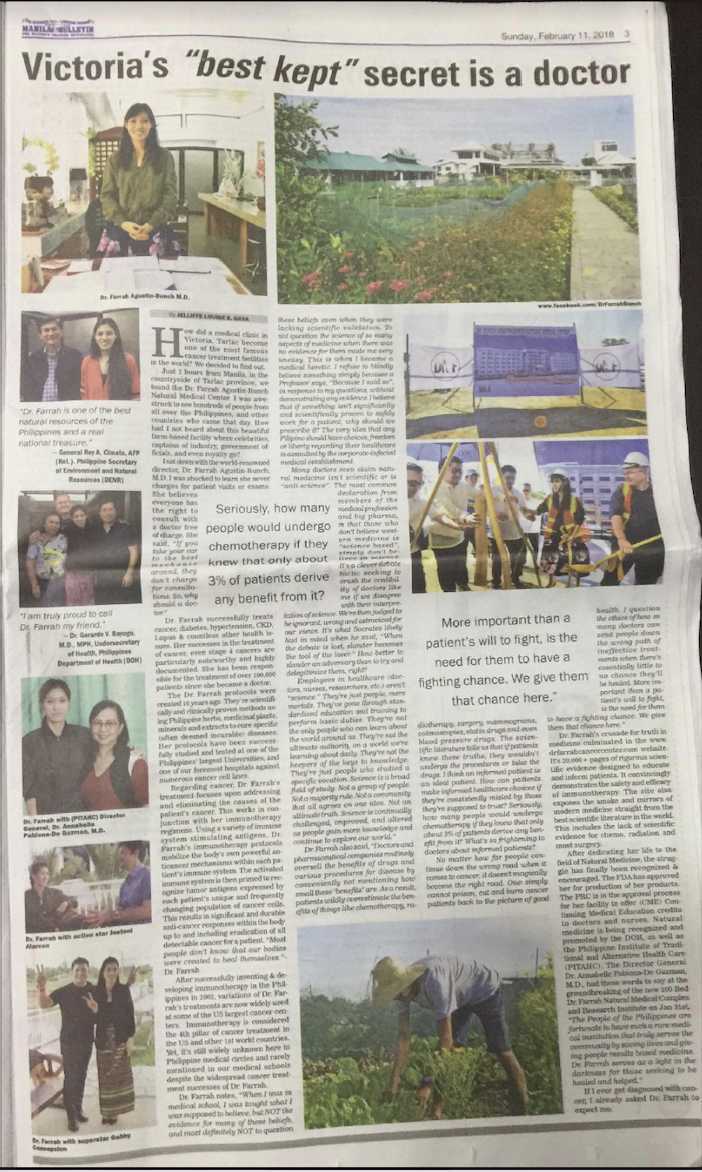
 UP Diliman Boston C test Dec 9 2003-1nnUP Diliman Boston C test Dec 9 2003-2nnUP Diliman Boston C test Dec 19-2003nnUP Diliman Boston C test Nov 3-2002nnDid you know that this announcement received nationwide television coverage?nnDid you know that Philippines Senate President Tito Sotto has endorsed Boston C?nnDid you know that Boston C was tested at St. Luke’s Medical Center and declared by St. Luke’s personnel to be effective against cancer?nnDid you know that Boston C has been tested extensively at the Department of Science and Technology in the Philippines and other labs & determined to be safe?nn St Lukes Boston C TestnnDid you know that Dr. Farrah™ received full page coverage in the Philippines leading newspaper in 2018 because of Boston C and her cancer treatment center?nn Boston C Lab analysis Dec 2018nn Boston C Lab analysis Nov 2018 part 2nn Boston C Lab analysis Nov 2018 part 3nn Boston C Lab analysis Nov 2018nn Boston C Lab analysis Oct 2018nn DOST Boston C test 2015 part 1nn DOST Boston C test 2015 part 2nn DOST Boston C test July 2018 part 2nn DOST Boston C test July 2018 part 3nn DOST Boston C test July 2018nnManila Bulletin EVIDENCEnnDid you know that Dr. Farrah™ was featured nationally on the investigative journalism show Rated K, and that 4 days later the FDA Director who illegally closed the Dr. Farrah™ clinic was terminated by the Philippines President for extensive corruption?nn nn
 nnMore to come on this…nnBoston C from a Medical Doctor perspectivennAs a highly experienced Medical Doctor, I’m not some blind enthusiast promoting the wild and unrestrained use of nutrition products for health issues without evidence for therapeutic benefit. I’ve personally and keenly studied everything I recommend, and more importantly, I’ve closely observed the reactions and results in a clinical setting with patients countless times. My opinion is that the vast number of degenerative illnesses that we see have a significant nutritional causative component. Further, I believe that when these nutritional issues are properly and consistently addressed through the use of a product such as Boston C, that a patient has the opportunity to return to health, especially when dealing with supranutrative dosing. My opinions are the result of having treated over 150,000 patients as a licensed medical doctor (MD) in the Philippines.nn n
Part 1. Micronutrients
nBoston C is a High-Density, Broad Spectrum Micronutrient Supplement.nnI believe that adequate Micronutrients consumption such as vitamins and trace minerals play absolutely critical roles in wellness and illness. These are the foundation of Boston C in what I believe to be highly synergistic ratios. Boston C contains 84 vitamins and minerals by our most recent account. One could say that the extensive therapeutic results I achieved in my clinic using Boston C were just the most incredible series of coincidences in the history of mankind. Or, maybe it was something else? Let’s look at the science.nnLet’s see what science says on the subject of Micronutrients…n
From The United States Centers for Disease Control (CDC):
n“Micronutrients are dietary components, often referred to as vitamins and minerals, which although only required by the body in small amounts, are vital to development, disease prevention, and wellbeing. Micronutrients are not produced in the body and must be derived from the diet.” (1)n
From the World Health Organization (WHO):
n“Called micronutrients because they are needed only in minuscule amounts, these substances are the “magic wands” that enable the body to produce enzymes, hormones and other substances essential for proper growth and development. As tiny as the amounts are, however, the consequences of their absence are severe.” (2)nn n
From UNICEF (United Nations International Children’s Emergency Fund):
n“Micronutrients – also known as vitamins and minerals – are essential components of a high-quality diet and have a profound impact on health. While they are only required in tiny quantities, micronutrients are the essential building blocks of healthy brains, bones and bodies…Micronutrient deficiencies are often referred to as ‘hidden hunger’ because they develop gradually over time, their devastating impact not seen until irreversible damage has been done.” (3)nn n
From The American Cancer Society:
nAmerican Cancer Society Nutrition and Physical Activity Guidelines for Cancer Survivorsnn“Additional nutritional supplementation such as nutrient‐dense beverages and foods can be consumed by those who cannot eat or drink enough to maintain sufficient energy intake…Cancer survivors use supplements for a variety of reasons, including following the advice of health care providers or others, treat-ing a symptom, to feel better, and/or as general insurance of adequate nutrient intake.” (4)nn n
From the Board on International Health, Food and Nutrition BoardnINSTITUTE OF MEDICINE
n“While the required amounts of micronutrients are very small, micronutrient deficiency (MND) can have wide-range negative health impacts that will ultimately result in death if untreated. MNDs are common, affecting an estimated 2 billion people worldwide.” (5)nn n
From the World Health Organization (WHO):
n“Under ideal conditions of food access and availability, food diversity should satisfy micronutrient and energy needs of the general population. Unfortunately, for many people in the world, the access to a variety of micronutrient rich foods is not possible.” (6)nn n
It’s widely recognized that micronutrient deficiencies and suboptimal intakes are common worldwide.
n“Micronutrient deficiencies are common worldwide and many individuals, especially women and children, suffer from the serious and widespread negative health consequences.” (7)nnAround one third of the world’s population suffers from micronutrient malnutrition.” (7)nn“Mineral and vitamin deficiencies are a serious public health problem in many developing countries and often occur in industrialized countries.” (7)nn nnEven in industrialized nations, where it can be presumed that nutritious food is easier to obtain, economic, social, educational, ethnic and even cultural backgrounds influence the diet and can adversely affect a person’s micronutrient status.nn“The evidence suggests that a proportion of women in high-income countries-of childbearing potential or who are already pregnant-have lower either than currently-recommended nutrient intakes or blood concentrations of micronutrients, particularly folate, vitamin B12, vitamin D, calcium, iodine, iron and selenium. All of these women would benefit from supplementation with multiple micronutrients, rather than just folate and iron.” (8)nn nn“Micronutrient deficiencies and inadequacies constitute a global health issue, particularly among countries in the Middle East…dietary supplementation provides an individually targeted approach to addressing micronutrient inadequacies and deficiencies.” (9)nn“A Cochrane review of 21 RCTs involving 75,785 women taking multiple micronutrient supplementation during pregnancy reported an 11%–13% reduction in low birthweight and small-for-gestational age births. Importantly, no adverse effects on maternal or neonatal mortality were recorded.” (9)nn“This review highlights not only the prevalence of overt deficiency syndromes, but also the “mild” or “moderate” levels of micronutrient inadequacy common in the Middle East region. This situation demonstrates the need for physicians to reach out not only to the most vulnerable groups, but also to whole populations, especially those undergoing nutrition transition. By taking advantage of multiple approaches to encourage healthy dietary patterns as well as promoting micronutrient sufficiency via food fortification and dietary supplementation, improvements in the Middle East region will be seen in the future.” (9)nn nn n
From the American Medical Association:
nBack in 1987, the Journal of the American Medical Association proclaimed their long-standing belief that, “Healthy adult men and healthy adult nonpregnant, nonlactating women consuming a usual, varied diet do not need vitamin supplements.” Most people, it was believed, could obtain adequate amounts of these nutrients from their diet, which is simply not the case. (10)nnBear in mind, this is the same medical journal that advertised cigarettes for over 20 years. (11)nn nnIn 2002, it came as no surprise when the AMA finally reversed their erroneous policy on vitamin supplements by announcing that the Journal of the American Medical Association would begin advising all adults to take at least one multivitamin each day.nnAccording to Drs. Fletcher and Fairfield of Harvard University who wrote JAMA’s new guidelines, “most people do not consume an optimal amount of all vitamins by diet alone…Recent evidence has shown that suboptimal levels of vitamins, even well above those causing deficiency syndromes, are risk factors for chronic diseases such as cardiovascular disease, cancer, and osteoporosis…The high prevalence of suboptimal vitamin levels implies that the usual US diet provides an insufficient amount of these vitamins. We recommend that all adults take one multivitamin daily.” (12)nn n
How well do future Doctors do nutritionally in Medical School?
n“The dietary behaviors of physicians and medical students are strongly associated with their nutrition counseling practices…This is the first comparison of the specific micronutrient intakes of students enrolled in a US medical school to the Dietary Reference Intake values. The main finding was that dietary intakes were especially low in male and female students for key nutrients related to maintaining health and preventing chronic disease…Multivitamin and multimineral supplementation, consumed regularly by 51% of students, closed the gap in meeting estimated micronutrient requirements…” (13)nn n
Do you know as much as your doctor about nutrition?
n nnWhat happens to these Doctors after they graduate?nn“The clinical nutritional knowledge of medical students and practicing physicians was assessed. Overall, nutrition knowledge was modest. However, there were substantial variations in knowledge among closely related topics. Knowledge often was highest among nutrition topics which have received the most publicity in the popular press. The nutrition knowledge profile suggests that medical students and physicians learn about nutrition haphazardly and are highly dependent for their knowledge on nonprofessional literature.” (14)nn nn“There is a need to develop an open and non-judgmental dialogue between oncologists and cancer patients, addressing the needs of the patient while dealing with issues related to the efficacy and safety of micronutrients. Referral of patients to an integrative medicine consultant may help achieve these goals, providing both parties with the option of reaching an informed and respectful decision about treatment…The success of treatment and healing processes in people with cancer are greatly influenced by the nutritional status of the patient. This is particularly relevant in clinical practice since, depending on the nature, site, and stage of the malignancy, 30%–90% of patients have an inadequate diet…An inadequate diet has detrimental effects on the immune status and tolerance of treatment, as well as on various organ and metabolic functions…Cancer patients with deficient diets have a higher morbidity and mortality: the mortality in malnourished cancer patients is about 30% higher…” (15)nn nn“Micronutrient deficiencies have, basically, a negative effects on the course of malignant disease and the efficiency of treatment intended to destroy tumors, as it impairs immunocompetence, increases the risk of complications, and impacts on the patient’s physical and mental quality of life…The results of several studies have demonstrated the importance of micronutrients as adjuvants to nutrition therapy, and provided evidence that taking a multivitamin/mineral preparation can improve both the quality of life and the prognosis of patients with cancer.“(15)nn n
Japan Medical Association
n“Knowledge of the clinical aspects of trace elements is becoming indispensable for front-line clinicians.” (16)nn nnA systematic review conducted by the University of Nottingham in Leicestershire, UK noted the following levels of nutrient deficiencies among the 9239 participants whose studies they included:n
- n
- Zinc – 31% of women, 49% of men
- Selenium – 49% of women and 37% of men
- Iron – 11% of women and 13% of men
- Iodine – 22% of women and 10% of men
- Copper – 27% of women and 21% of men
n
n
n
n
n
nThey demonstrated that trace mineral deficiencies are not a rare, or uncommon issue. (17)nnThey urged that their, “findings should be considered within population nutritional health strategies which aim to improve the nutritional status of older adults,” and also noted “the recommendation that older people should be taking a multi-mineral supplement.” (17)nn nnPer the CDC, at least fifty percent of children under the age of five are affected by vitamin and mineral deficiencies.nn n
The problems associated with Micronutrient deficiencies
n nnSeveral studies and analyses including those by the World Health Organization (WHO) have demonstrated that the growth of children is affected by deficiencies or imbalances of elements such as copper (Cu), zinc (Zn), iron (Fe), calcium (Ca) and magnesium (Mg). (18, 19, 20, 21, 22) nn nnMicronutrients are not produced in the body and must be derived from the diet (23).nn nnAt least half of children worldwide ages 6 months to 5 years suffer from one or more micronutrient deficiency, and globally more than 2 billion people are affected. (24a, 24b)nnInvesting in the future: A united call to action on vitamin and mineral deficiencies. Global Report 2009: Investing in the future 1, Investing in the future 2nn nnGlobal micronutrient status has improved modestly over the last two decades, but around two billion people suffer from at least one vitamin or mineral deficiency .nnGlobal Nutrition Report 2021- “Malnutrition, in all its forms, refers to both undernutrition (including stunting, wasting, underweight and micronutrient deficiencies).” (25)nn n
Micronutrients and Cancer Risk
n“An abundance of epidemiologic evidence, based on numerous and remarkably consistent observations that persons who consume high intakes of fruits and vegetables have reduced risks of most human cancers, supports the concept that micronutrients may play important roles in the prevention of human cancers…Although we cannot be certain which compounds are responsible, the evidence is overwhelming that an abundant intake of fruits and vegetables can play an important role in reducing cancer incidence.” (26) – Dr. Walter C. Willett, M.D., Chair of the Department of Nutrition at Harvard School of Public Health and a professor of medicine at Harvard Medical School and the most-cited nutritionist in history.nn nnNumerous studies have reported that higher micronutrient consumption results in a significantly lower cancer risk (27, 28, 29, 30, 31, 32, 33, 34, 35, 36).nn nn“When a diet is compiled according to the guidelines here it is likely that there would be at least a 60–70 percent decrease in breast, colorectal, and prostate cancers, and even a 40–50 percent decrease in lung cancer, along with similar reductions in cancers at other sites. Such a diet would be conducive to preventing cancer and would favor recovery from cancer as well.” (29)nn“Dietary factors particularly micronutrients play an important role in the carcinogenesis pathway owing to their antioxidant action as well as immunity potentiating effect.” (31)nn nn“…our findings strongly suggest that at high intakes, these micronutrients exhibit independent associations in both whites and African Americans consistent with 30–70% reductions in colon cancer risk.” (37)nn n
Micronutrients in Immunity and Prevention
n“Immune function may be improved by restoring deficient micronutrients to recommended levels, thereby increasing resistance to infection and supporting faster recovery when infected.” (38)nn“The available clinical data suggest that micronutrient supplementation can reduce the risk and severity of infection and support a faster recovery…current knowledge regarding the importance of micronutrients in immunity, the effects of micronutrient deficiencies on the risk and severity of infection, and the worldwide prevalence of an inadequate micronutrient status form a sound basis for the use of a targeted multiple micronutrient supplement to support immunity over a person’s lifetime.” (38)nn“Considering the importance of micronutrients in immunity, and the fact that many people of all ages have single or multiple micronutrient deficiencies that can have detrimental immunological effects, there is a rationale for micronutrient supplementation to restore concentrations to recommended levels, especially after an infection, and to support immune function and maintenance.” (38)nn nn nn“Micronutrients such as vitamins and minerals are essential to the human body, and individuals must meet their daily requirements through dietary sources. Micronutrients act as immunomodulators and protect the host immune response.”n(39)nn“Vitamins and minerals are important micronutrients involved in the interconnected and intricate immune system; however, only trace amounts are necessary to perform these functions. Our bodies cannot produce micronutrients, and many vitamins and minerals can only be obtained in varying concentrations through the ingestion of nutrient-rich foods. Various dietary sources can provide vitamins and minerals, which support and strengthen our immune systems. Vitamins and minerals often have synergistic effects throughout the various immune system stages and compartments. Furthermore, vitamins and minerals can both stimulate and suppress immunological responses, and enhance the proper operation of the immune system by providing antioxidants that reducencell damage caused by free radicals and assist in T cell synthesis. Vitamin and mineral deficiencies can lead to inadequate generation of important immune components including both cellular and molecular components, resulting in ineffective immune responses.” (39)nn nn“Trace mineral deficiencies may affect several biological functions in humans, including physical growth, psychomotor development and immunity.” (17)nn nnThere is a bidirectional interaction among nutrition, infection and immunity: the immune response is compromised when nutrition is poor, predisposing individuals to infections, and a poor nutritional state can be aggravated by the immune response itself to an infection (40).nn nnLife-style factors affecting immune function during adulthood. nn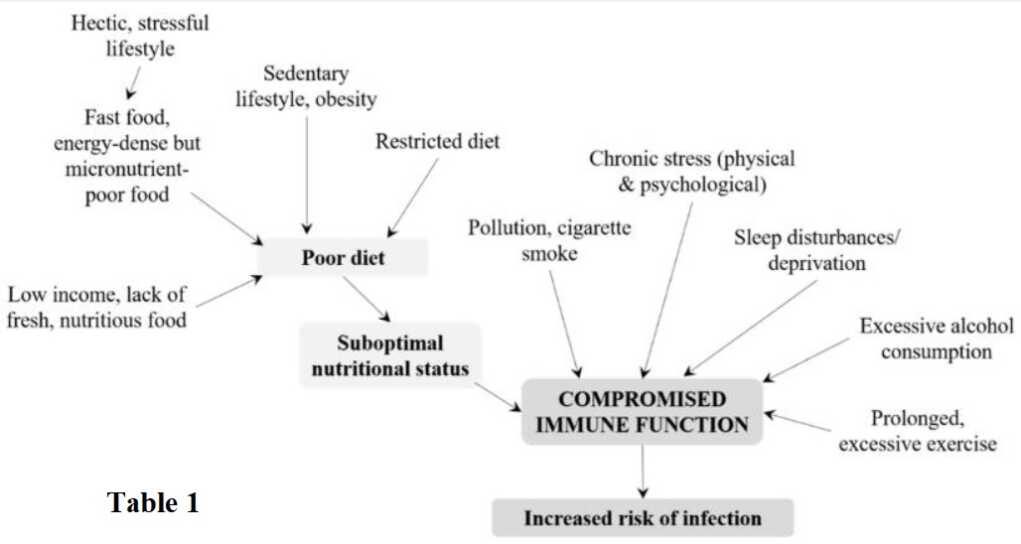 nn nnImmune defenses can be impaired by undernutrition of Micronutrients, which increases susceptibility to infection (39, 40, 41).nn nnInfection can cause a significant increase in the demand for micronutrients (40, 42).nn nnThere is currently no single biomarker that accurately illustrates the effects of supplementation on the immune response. Instead, clinical outcomes are instead used to determine the effectiveness of supplementation (43, 44).nn nn“Soil is being deprived of essential micro nutrients…Lack of these important vitamins and minerals also has a profound impact on the body‘s immune system. Immune system weakened by a lack of micronutrients puts us at increased health risk…Lack of replenishment of micro nutrients by natural sources leads to imbalance of micronutrients in human body which ultimately contributes to the cause of malignancy.” (45)nn nnOptimal immune function is dependent on a healthy immune system. In turn, adequate nutrition is crucial to ensure a good supply of the energy sources, macronutrients and micronutrients required for the development, maintenance and expression of the immune response (46).nn nnTrace element deficiencies and excesses are definitively known by an overwhelming amount of scientific evidence to affect numerous biological functions in humans, including physical growth, psychomotor development and immunity. (17, 47, 48)nn nn“An abundance of epidemiologic evidence, based on numerous and remarkably consistent observations that persons who consume high intakes of fruits and vegetables have reduced risks of most human cancers, supports the concept that micronutrients may play important roles in the prevention of human cancers…Although we cannot be certain which compounds are responsible, the evidence is overwhelming that an abundant intake of fruits and vegetables can play an important role in reducing cancer incidence.” (26)nn nn“…our findings strongly suggest that at high intakes, these micronutrients exhibit independent associations in both whites and African Americans consistent with 30–70% reductions in colon cancer risk.” (37)nn nn“A major outcome of trace element deficiencies is reduced activity of the concerned enzymes. However, since each trace element is related to so many enzymes, deficiency of a single trace element is often not associated with any specific clinical manifestations, but rather manifests as a combination of various symptoms.” (49)nn nnMany epidemiological surveys and animal studies have demonstrated that health problems are caused by the deficiency of trace elements (50).nn
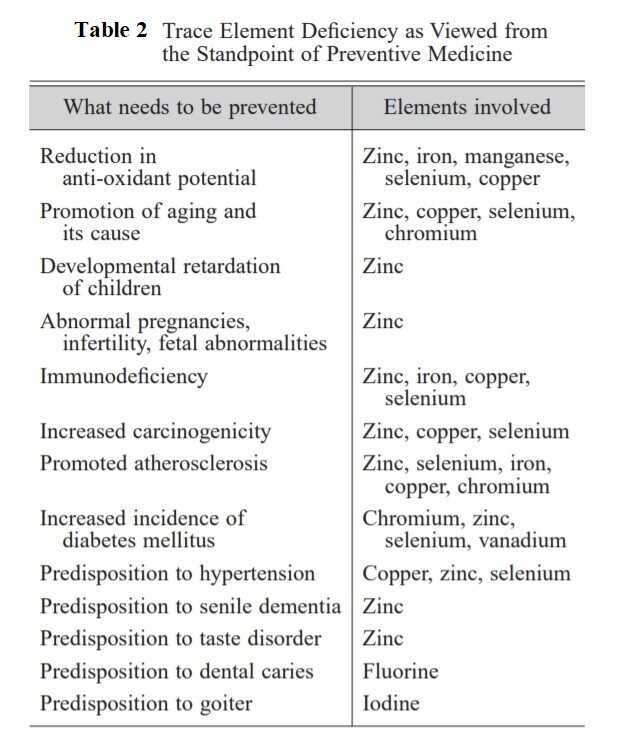 nn nn“It is noteworthy that the doses at which trace elements exert pharmacologically effective actions are much higher than the RfD.” (RDA) It continues with, “Trace elements exert pharmacological actions if they are ingested in amounts several to ten times higher than the nutritional requirements…However, when dealing with trace elements, caution must be exercised to avoid excessive dosage.” (16)nn nn“Cancer patients generally have a poorer nutritional status than healthy people – indeed their provision with several vitamins and trace elements is often insufficient at the time of diagnosis and before the appearance of clinically relevant changes to the nutritional status. It deteriorates even more after starting cancer therapy.” (51)nn nn“Trace elements are required in small concentrations as essential components of biological enzyme systems or of structural portions of biologically active constituents.” (52)nn nn“The last decade has seen a growing interest in trace elements in human health and disease. It was generally believed until then, by clinician and nutritionist alike, that they are so widely distributed in foodstuffs that deficiency in any element except iodine was unlikely. However, the advent of more accurate methods of assay, especially of blood and hair, and the increasing use of parenteral feeding, hitherto unsuspected trace element deficiencies have been brought to light…” (53)nn nn“Iatrogenic deficiencies may occur in people receiving prolonged unsupplemented parenteral nutrition…” (54) Medical Definition of iatrogenic: induced inadvertently by a physician or surgeon or by medical treatment or diagnostic procedures.nn nn“It has been found that the imbalances in the optimum levels of trace elements may adversely affect biological processes and are associated with many fatal diseases, such as cancers.” (55)nn n
Micronutrients and Cancer
nThe success of treatment and healing processes in people with cancer are greatly influenced by the nutritional status of the patient (15). This is particularly relevant in clinical practice since, depending on the nature, site, and stage of the malignancy, 30%–90% of patients have an inadequate diet (56, 57).nn nnCancer patients with deficient diets have a higher morbidity and mortality (15): the mortality in malnourished cancer patients is about 30% higher (58, 59, 60, 61, 62, 63).nn nn“An inadequate supply of antioxidant micronutrients in patients with cancer is reflected (15), among other things, in raised markers of oxidative stress.” (27, 33, 34, 35, 36, 64, 65, 66, 67, 68)nn“An antioxidant micronutrient cocktail can modulate biomarkers of oxidative stress and inflammation…” (65)nn nn“Micronutrient deficiencies have, basically, a negative effect on the course of malignant disease and the efficiency of treatment intended to destroy tumors (15), as it impairs immunocompetence, increases the risk of complications, and impacts on the patient’s physical and mental quality of life.” (58, 69, 70, 71, 72, 73, 74, 75)nn nn“Dietary antioxidants at high doses induce differentiation, proliferation inhibition, and apoptosis, depending on the dose and type of antioxidants, treatment schedule, and type of tumor cells, without producing similar effects on most normal cells in vitro and in vivo” (72)nn nn“These data suggest an association between vitamin/mineral supplementation and improved survival and point to a need for future studies on vitamin andnmineral supplementation in small cell lung cancer patients…is there plausibility in the notion that vitamin/mineral supplementation could alter the course of a potentially fatal illness? Available data suggest there is.” (73)nn nn“Vitamin/mineral supplementation is associated with better survival and quality of life in this cohort of NSCLC (non-small cell lung cancer) patients.” (74)nn n
“Since the 1970s, 280 peer-reviewed in vitro and in vivo studies, including 50 human studies involving 8,521 patients, 5,081 of whom were given nutrients, have consistently shown that do not interfere with therapeutic modalities for cancer. Furthermore, non-prescription antioxidants and other nutrients enhance the killing of therapeutic modalities for cancer, decrease their side effects, and protect normal tissue. In 15 human studies, 3,738 patients who took non-prescription antioxidants and other nutrients actually had increased survival.” (75)
n nn“Micronutrients effectively control multiple steps in breast cancer.” (76)nn nn“In the course or their disease, many cancer patients develop tumor-associated malnutrition which, among other things, is characterized by a micronutrient deficit…In the case of reduced food intake and/or inappropriate food choice the use of a multi-vitamin multimineral supplement administered in physiological doses…can be generally recommended.” (58)nn nnIn relation to micronutrient mixtures, a “synergistic micronutrient mixture has been shown to be effective against multiple targets in cancer development and progression…These results indicate that this non-toxic comprehensive approach should be considered in cancer therapy as a safe and economical approach. (77)nn nn“Our results indicate that the micronutrients were successfully able to induce apoptosis in more than 90% of cancer cells, while preserving the healthy cells. This selective destruction of cancer cells was also associated with the preservation of healthy cells.” (78)nn nnThe synergistic anticancer effect of micronutrients is exemplified in the study of Kale, et al. (79)nn nnIn relation to Selenium, (which Boston C contains) the major effects of supplementation have been observed in the incidences of colorectal, lung, and prostate cancers along with a drastic decrease in the total cancer mortality by 50%. (80)nn nnStudy results have illustrated the importance of micronutrients as a significant factor in nutrition therapy, and provided evidence that taking a multivitamin/mineral preparation can improve both the quality of life and the prognosis of patients with cancer.nnFor example, a study carried out at the Mayo Clinic (USA) of 1129 patients with lung cancer showed that mortality was reduced by 26% in patients taking a micronutrient preparation compared with those not taking any such supplements.nnThe mean survival in patients taking micronutrients was 4.3 years compared with two years in patients not taking multivitamin/mineral supplements. (74)nn nnNext, a study of ovarian cancer patients who were treated with cyclophosphamide and cisplatin was analyzed. It was found that consumption of oral supplements with multiple antioxidants including selenium led to a significant improvement in the immune status and a reduction in the frequency of chemotherapy-induced adverse reactions.nnThe incidence of adverse reactions to the chemotherapy, such as loss of appetite, nausea, vomiting, stomatitis, hair loss, flatulence, abdominal pain, weakness, and malaise, was SIGNIFICANTLY lower in the antioxidant group than in the control group. (81)nn n
Are supplements and antioxidants bad if used with chemo or radiation?
nA fair and comprehensive appraisal of the existing medical literature and evidence demonstrates that the ongoing denigration of dietary supplements with effective antioxidant and immunomodulating micronutrients during chemotherapy by oncologists is simply not justifiable since they appear to show significant benefit in study after study, (74, 75, 82, 83, 84, 85, 86, 87, 88). The ongoing advice against antioxidants appears to be misinformed, anecdotal and even worse, unscientific.nn nnSpecialists in the Division of Pediatric Oncology of the College of Physicians and Surgeons at Columbia University, New York, investigated the relationship between chemotherapy and antioxidant use status in their patients. In patients with higher than average plasma concentrations of antioxidants,nn“They have shown that in those patients who had higher than average plasma concentrations of antioxidants, “there was a beneficial association with fewer dose reductions, fewer infections, improved quality of life, less delay in chemotherapy treatment schedule, reduced toxicity, and fewer days spent in the hospital. In other words, ample amounts of antioxidants were found to translate into healthier patients and better clinical outcomes. These oncologists have therefore begun to administer antioxidants to pediatric patients to overcome patent nutritional deficiencies. (82)nn nnSystematic review studies show that supplementation with antioxidants increased either survival times, tumor response or both, and that they reduced the rate of side effects as compared with the control groups. (85, 86)nn nn“Since the 1970s, 280 peer-reviewed in vitro and in vivo studies, including 50 human studies involving 8,521 patients, 5,081 of whom were given nutrients, have consistently shown that non-prescription antioxidants and other nutrients do not interfere with therapeutic modalities for cancer. Furthermore, they enhance the killing of therapeutic modalities for cancer, decrease their side effects, and protect normal tissue.” (87)nn nn“Non-prescription antioxidants and other nutrients do not interfere with cancer therapeutic modalities, enhance their killing capabilities, decrease their side effects, or protect normal tissues, and in 15 human studies, 3,738 patients actually had prolonged survival. Antioxidant and other nutrient food supplements are safe and can help to enhance cancer patient care.” (75)nn nn“The present review encompasses a total of 174 peer-reviewed original articles from 1967 till date comprising 93 clinical trials with a cumulative number of 18,208 patients, 56 animal studies and 35 in vitro studies. Our comprehensive data suggests that antioxidant has superior potential of ameliorating chemotherapeutic induced toxicity. Antioxidant supplementation during chemotherapy also promises higher therapeutic efficiency and increased survival times in patients.” (88)nn nnThe U.S. National Library of Medicine PUBMED database of the U.S. National Center for Biotechnology Information is an excellent source for ANYONE to learn about peer-reviewed studies demonstrating scientific evidence for all sorts of areas and it’s FREE.nnMicronutrients currently have over 740,000 study resultsnhttps://pubmed.ncbi.nlm.nih.gov/?term=MicronutrientsnnTrace elements currently have over 387,000 study resultsnhttps://pubmed.ncbi.nlm.nih.gov/?term=trace+elementsnnAntioxidants currently have over 706,000 study resultsnhttps://pubmed.ncbi.nlm.nih.gov/?term=antioxidantsnn n
Part 2. MSM
nAnother significant ingredient in the Boston C formula is MSM, known as Methyl-sulfonyl-methane.nnMSM is an organic source of sulfur. Sulfur is necessary for the formation of connective tissue, and because MSM is 34 percent organic bioavailable sulfur, MSM has been widely studied for its use in all manner of therapeutic benefits. In the Philippines at my facility, we were extracting our own organosulfurs in my laboratory as part of Boston C . Now that we are manufacturing in the U.S., we are very pleased to be using OptiMSM® from Bergstrom Nutrition, the leading global MSM supplement manufacturer. MSM has Food and Drug Administration (FDA) GRAS (Generally Recognized As Safe) notification (89). There are numerous peer-reviewed published studies regarding MSM, a few of which I will highlight here below. These are not structure and function claims regarding my product, they are simply the opinions of the authors and scientists that published them.nn nnIt’s been widely demonstrated in numerous scientific studies that MSM is highly bioavailable, anti-inflammatory, anti-oxidant/free radical scavenging, immunomodulative, and anti-cancer. (90)nn“As a therapeutic agent, MSM utilizes its unique penetrability properties to alter physiological effects at the cellular and tissue levels. Furthermore, MSM has the ability to act as a carrier or co-transporter for other therapeutic agents, even furthering its potential applications.” (90)nn nnThe U.S. National Library of Medicine PUBMED database of the U.S. National Center for Biotechnology Information is an excellent source for ANYONE to learn about peer-reviewed studies demonstrating scientific evidence for all sorts of areas and it’s FREE.nnMethylsulfonylmethane currently has over 400 study results in Pubmednhttps://pubmed.ncbi.nlm.nih.gov/?term=Methylsulfonylmethanenn n
MSM and Inflammation
nMethylsulfonylmethane and inflammation currently has 42 study results in Pubmednhttps://pubmed.ncbi.nlm.nih.gov/?term=Methylsulfonylmethane+inflammationnn“Methylsulfonylmethane (MSM) is naturally occurring organic sulfur that is known as a potent antioxidant/anti-inflammatory compound.” (91)nn nn“Methylsulfonylmethane (MSM) is a natural organosulfur compound that exhibits antioxidative and anti-inflammatory effects.” (92)nn nn“Methylsulfonylmethane (MSM), the isoxidised form of dimethyl-sulfoxide (DSMO), is an effective natural analgesic and anti-inflammatory agent.” (93)nn nn“Methylsulfonylmethane (MSM) is the oxidized form of dimethyl-sulfoxide a natural organic form of sulphur, which is needed for the formation of connective tissue. It also blocks the inflammatory process by (OH-) free radicals and enhances the activity of cortisol, a natural anti-inflammatory hormone produced in the body.” (94)nn nn“MSM (1000 mg/kg) was effective to cure experimental colitis andnincreased GSH (glutathione) that suggests a useful therapeutic activity for MSM as an anti-inflammatory and anti ulcerative medicinal plant for UC (ulcerative Colitis). Oral administration of MSM could be considered as an alternative remedynfor UC.” (95)nn nnMSM has been shown to improve inflammation in a number of conditions. For example, MSM attenuated cytokine expression for ulcerative colitis (95), lung injury (96), and liver injury. (97)nn“The current study observed that MSM treatment induced cell-cycle arrest and intrinsic apoptosis of A549 cells. These findings also suggest that MSM can be used as a potential chemopreventive agent for the treatment of lung cancer.” (96)nn“The present study shows that MSM possesses a hepatoprotective effect against CCl₄-induced liver injury in rats. This protective effect might be through its antioxidant, anti-inflammatory and antiapoptotic properties.” (97)nn n
MSM has been shown to help with liver injury due to acetaminophen.
n“Our findings suggest that MSM pretreatment could alleviate hepatic injury induced by acetaminophen intoxication…” (98)nn nn“MSM is able to reduce the initial cytokine surge that is induced by acute exercise, while allowing for an efficient response to infectious stimuli after a single bout of acute exercise.” (99)nn nnIn vitro studies suggest that MSM does not chemically neutralize ROS (Reactive Oxygen Species) in stimulated neutrophils but instead suppresses mitochondrial generation of superoxide, hydrogen peroxide, and hypochlorous acid (100). Additionally, MSM is able to restore the reduced glutathione (GSH)/oxidized glutathione (GSSG) ratio to normal levels, decrease NO (Nitric Oxide) production, and reduce neuronal ROS production following HIV-1 Tat exposure (101).nn nnIn a physician’s review of clinical case studies, MSM was an effective treatment for four out of six patients suffering from interstitial cystitis (102). Additionally, MSM is also suggested to alleviate the symptoms of seasonal allergic rhinitis (103, 104).nn nn “The results of this study suggest that MSM supplementation of 2600 mg/day for 30 days may be efficacious in the reduction of symptoms associated with SAR.” (Seasonal allergic rhinitis) (104)nn nnStress can trigger an acute response by the innate immune system and an adaptive immune response if the irritant is pathogenic. Sulfur containing compounds such as MSM play a critical role in supporting the immune response (105, 106, 107).nn“Without doubt sulfur amino acids play an important role in maintaining and supporting immune function. Their actions also play a pivotal role in the effectiveness of antioxidant defense. This latter action indirectly influences immune function by modulating the actions of oxidant stress in transcription factor activation.” 105nn“Other sulfur compounds such as SAMe, DMSO, taurine, and reduced glutathione also have clinical applications in the treatment of a number of conditions, such as depression, fibromyalgia, arthritis, interstitial cystitis, athletic injuries, congestive heart failure, diabetes, cancer, and AIDS.” 106nn“Inorganic selenium and oxo-sulfur compounds are widely available in dietary supplements and have been extensively studied for their antioxidant and anticancer properties.” 107nn n
MSM and Cancer
nMethylsulfonylmethane and cancer currently has 45 study results in Pubmednhttps://pubmed.ncbi.nlm.nih.gov/?term=Methylsulfonylmethane+cancernnAn emerging area of MSM research deals with the anti-cancer effect of the organosulfur compound. In vitro studies using MSM alone or in combination have evaluated the metabolic and composition effects of a number of cancer cell lines including breast (108, 109, 110, 111, 112) mouth (113), esophagus (114), stomach (114), liver (114, 115), colon (116), bladder (117), and skin cancers (111, 118) with promising results.nn“Based on all these results from our study, we strongly recommend the use of MSM as a trial drug for treating breast cancers because of its multi-targeting mechanism.” (108)nn“Methylsulfonylmethane (MSM) is an organic sulfur compoundnshown to act against tumor cells.” (109)nn“We show here that methyl sulfone does not kill the metastatic breast cancer cells. Instead, the aggressive metastatic phenotypes of 66cl-4 breast cancer cells are reversed by methyl sulfone, and these cells take on attributes of normal breast cells. These data suggest that methyl sulfone may offer a new strategy in the chemotherapeutic treatment of metastatic cancer, in which the goal is not to kill metastatic cancer cells but instead to replace their metastatic phenotypes with properties of normal cells.” (110)nn“These data identify methyl sulfone as a multi-targeting molecule that blocks the survival/proliferative effect of hypoxia on metastatic cells and brings normality back to cellular metabolism.” (111)nn“We recommend the use of MSM as an inhibitor for the management of HER2-positive breast cancers.” (112)nn“In conclusion, this study demonstrated the use of a natural compound to induce cell-cycle arrest and mitochondrial apoptosis…These findings suggest that MSM is a good anti-cancer drug in gingival squamous adenocarcinoma.” (113)nn“In the present study, we demonstrated that MSM as food supplement likely behave in a cytotoxic manner towards the gastrointestinal cancer cells and act as apoptosis inducing agent.” (114)nn“Taken together, all the results suggest that MSM has anti-cancer effects through inducing apoptosis in liver cancer.” (115)nn“In conclusion, our results show for the first time that MSM induces apoptosis in HCT-116 colon cancer cells regardless of their p53 status. Since over 50% of human tumors contain a functionally defective p53 that diminishes sensitivity to commonly used chemotherapeutic agents, the ability of MSM to induce apoptosis independently of p53 may offer an advantage in anti-tumor therapy.” (116)nn“Research efforts using natural compounds for the elimination or growth suppression of the cancer arise from studies on methylsulfonylmethane (MSM). MSM is a natural sulfur compound with no side-effects…MSM has a powerful anti-angiogenic and anti-metastasis effect…Our in vivo experiments showed that oral administration of combination of MSM and AG490 significantly inhibited the growth of bladder cancer xenografts and lung metastasis.” (117)nn“In conclusion, methyl sulfone may be important, first, as an effective and non-toxic chemotherapeutic compound to treat metastatic melanoma cells and perhaps other metastatic cancers. Additionally, methyl sulfone appears to reprogram metastatic Cloudman M3 melanoma cells into normal healthy melanocytes.” (118)nn nnMSM independently has been shown to be cytotoxic to cancer cells by inhibiting cell viability through the induction of cell cycle arrest (114, 110, 111), necrosis (114), or apoptosis (108, 109, 114, 115, 116). nnIn vitro studies indicate that MSM can induce apoptosis in gastrointestinal cancer cells (114), hepatic cancer cells (115), and colon cancer cells (116).nn nn“Taken together, all the results suggest that MSM has anti-cancer effects through inducing apoptosis in liver cancer.” (115)nn nn“In conclusion, our results show for the first time that MSM induces apoptosis in HCT-116 colon cancer cells regardless of their p53 status.” (116)nn nn“Since sulfur is a known ingredient used in traditional Chinese medicine, it may be used clinically for the treatment of PCa (Prostate Cancer), independently or in combination with other medicine.” (119)nn nn“Methylsulfonylmethane (organic sulfur) induces apoptosis and decreases invasiveness of prostate cancer cells.” (120)nn nn“Methylsulfonylmethane (MSM) is a natural organosulfur compound with anticancer properties, as revealed by studies on in vitro models of gingival, prostate, lung, hepatic, and breast cancer…this study demonstrated that treatment with MSM can inhibit the viability of HT-29 colon cancer cells by triggering cell cycle arrest and apoptosis and suppressing the stemness potential of HT-29 cells.”” (121)nn nn“This review summarized chemopreventive efficacy of natural products and their constituent phytochemicals in various in vitro and in vivo colon cancer models. All these results strengthen the fact that natural products can modulate various molecular pathways involved in cancer initiation and progression.” (122)nn n
MSM and Arthritis
nA number of in vitro studies suggest that MSM exerts an anti-inflammatory effect through the reduction in cytokine expression (123, 124, 125, 126). Similar results have been observed with MSM in experimentally induced-arthritic animal models, as evidenced by cytokine reductions in mice (127) and rabbits (123, 124, 125, 126, 128).nnIn studies with osteoarthritic populations given MSM daily, significant improvements in physical function were observed, as assessed through the WOMAC (129, 130, 131, 132), SF36 (130, 131, 132), and Aggregated Locomotor Function (ALF) (131).nn nn“Methylsulfonylmethane (MSM), the isoxidised form of dimethyl-sulfoxide (DSMO), is an effective natural analgesic and anti-inflammatory agent.” (93)nn nn“Based on these previous results and the present data, we believe MSM is relatively safe and effective for the treatment of inflammatory diseases.” (123)nn nn“Patients with OA of the knee taking MSM for 12 weeks showed an improvement in pain and physical function.” (129)nn nn“MSM (3g twice a day) improved symptoms of pain and physical function during the short intervention without major adverse events.” (130)nn nn“The findings demonstrate that methylsulfonyl-methane (MSM) is effective and significantly improve function and reduce pain in knee OA patients.” (131)nn nnMSM has been shown to effect inflammatory conditions such as rheumatoid arthritis and lupus (127, 133).nn nn“Our results support previous anecdotal reports that intervention with MSM on elderly patients suffering from OA is beneficial. A treatment approach based on current literature is to start off at 3 g/day, then to increase up to 6 g/day in two divided doses. Although large, long-term dose response studies are necessary, MSM should be considered in certain OA patient populations…MSM improved all physical symptoms in the WOMAC scale during the short intervention without any adverse events.” (132)nn n
MSM and Exercise Induced Inflammation
nOne of the best ways to induce short term inflammation is via exercise. Exercise related studies are an amazing tool for evaluating rapid inflammatory responses in relation to MSM supplementation.nnEndurance exercise-induced muscle damage was reduced with MSM supplementation, as measured by creatine kinase (134). Pre-treatment with MSM reduced muscle soreness following strenuous resistance exercises (135, 136, 137) and endurance exercise (138).nn nnIt’s indicated that MSM dampens inflammatory expression following exercise and reduces post exercise immunosuppression (139).nn nn“Three weeks of MSM supplementation at 3g/day attenuated post-exercise muscle and joint pain at clinically significant levels compared to placebo.” (138)nn nn“The study suggests that MSM supplementation may attenuate exercise-induced muscle and joint pain at clinically relevant levels…” (140)nn nnThis study suggests that some individuals may be able to return to regular training more quickly following knee extensor damage with MSM supplementation (135).nn nn“MSM may help alleviate the discomfort/pain that can follow a stressful exercise session.” (136)nn“These results complement earlier studies showing anti-oxidant effect of MSM and suggest that single dose oral supplementation with MSM lowers exercise induced oxidative stress in healthy untrained young men…” (141)nn nn“These results suggest that in moderately trained cyclists, antioxidant supplementation counters oxidative stress induced by a 90 min exercise at 70% VO2max.” (142)nn nn“It seems that 10-day supplementation with MSM has allowed to decrease muscle damage via effect on antioxidant capacity.” (134)nn nn“MSM, especially when provided at 3.0 grams per day, may favorably influence selected markers of exercise recovery. (137)nn nn“These results suggest that chronic daily oral supplementation of MSM has alleviating effects on known markers of oxidative stress following acute bouts of exercise in healthy young men.” (143)nn nn“…we have demonstrated that MSM could exert some protective effect on oxidative and inflammatory exercise-induced injury.” (144)nn n
Joint Health
nIn vitro studies suggest that MSM protects cartilage through its suppressive effects on IL-1β and TNF-α (123, 125, 126) and its possibly normalizing hypoxia-driven alterations to cellular metabolism (111).nn nn“It is known that MSM is one of the most popular dietary supplements, which is expected to relieve inflammation in arthritis.” (145)nn nn“There is a need for supplementation of MSM since it is lost in the process of cooking. MSM can restore the flexibility and permeability of the cell walls. This helps to equalize the pressure and reduce or eliminate the cause of pain.” (146).nn nn“Conclusion: the study shows that taurine, silymarin and MSM possess significant neuro-and hepato-curative attributes due to their antioxidant properties.” (147)nn n
MSM Skin Benefit
nA randomized, placebo-controlled, double-blind clinical pilot study on OptiMSM®, found in Boston C.nnSignificant improvements in skin appearance and condition were found in the treatment group when evaluated by expert grading, instrumental analysis, and participant self-assessment. (148)nn“MSM supplementation appears to benefit skin health, primarily the reduction of fine lines and wrinkles. Effects on gene expression may partially account for the benefits.” (148)nn n
Part 3. Boston C and Blackstrap Molasses
nBlackstrap Molasses is a Micronutrient packed ingredient that’s used in Boston C for the purpose of carrying the additional nutrients alongside it. Originally, coconut extracts were used for this purpose until clinical tests demonstrated that blackstrap molasses was much better suited for the task due to nutrient density and low sugar content.nnBlackstrap molasses contains vital vitamins and minerals, such as Iron, Calcium, Copper, Manganese, Magnesium, Potassium, B vitamins, including B6, B2 and B3, Selenium, Small amounts of sodium, zinc, and phosphorus. I believe that Boston C incorporates a breakthrough method of delivering bioactive molecules and nutrients that is safe and effective.nnWe chose this method of using a nutrient dense natural sugar as a carrier due to cancer cells being sugar metabolic, which has been known for nearly 100 years. Physiologist Dr. Otto Warburg received a Nobel Prize back in 1931 (149) for his research indicating that cancer’s primary fuel was from anaerobic fermentation of glucose. He demonstrated that cancer cells require sugar to thrive via enhanced glycolysis (150). This increased glucose uptake in malignant cells is observable through modern technology known as Positron Emission Tomography (PET) (151, 152).nnNational Cancer Institute– Positron Emission Tomography Scan (PET Scan) “A procedure in which a small amount of radioactive glucose (sugar) is injected into a vein, and a scanner is used to make detailed, computerized pictures of areas inside the body where the glucose is taken up. Because cancer cells often take up more glucose than normal cells, the pictures can be used to find cancer cells in the body. Also called PET scan.”nn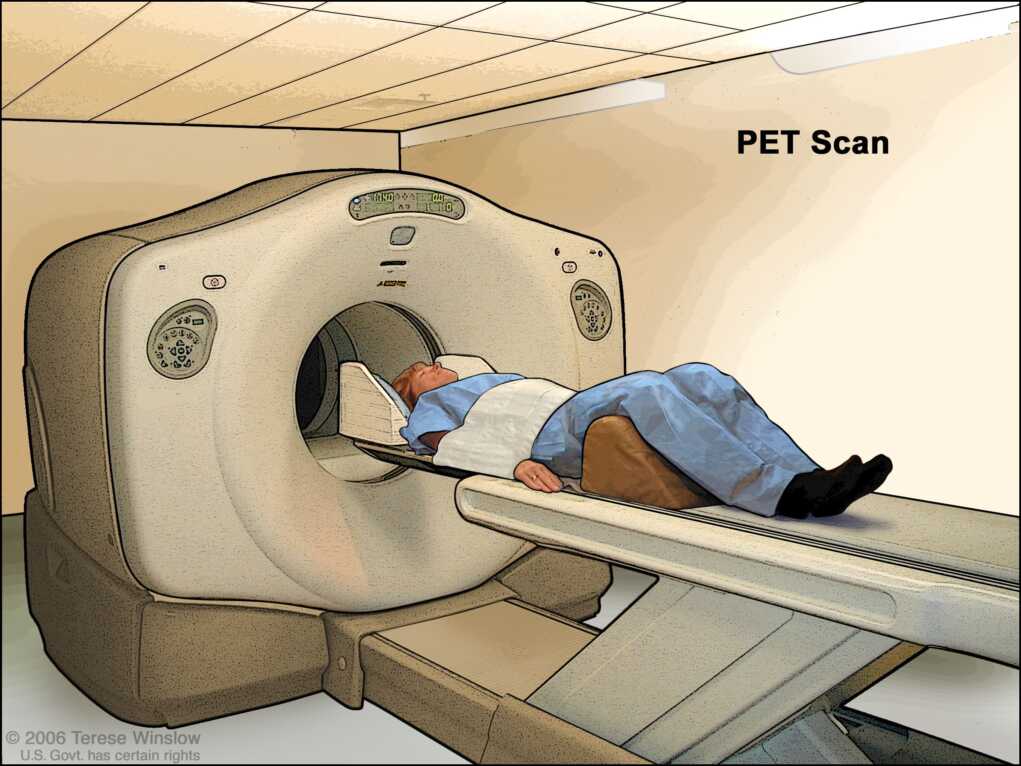 nn nnHere’s a little history about (PET) for reference and clarity. Positron Emission Tomography emerged in the 1970’s, and the initial applications were for heart and brain imaging research (153). Back in 2000, the widespread use of imaging with PET really gained widespread use in the field of clinical oncology. This followed two major events: the creation of, commercial production and distribution of the glucose analogue, 2-(18F)fluoro-2-deoxy-d-glucose (FDG), and the formulation of the device that combines PET with X-ray computed tomography (PET/CT) (154). In the U.S. alone, more than 2,000,000 PET scans are performed annually, with about 98% of them focused on staging or the restaging of tumors (155).nn nnOnce we look at the mechanisms of how PET (Positron Emission Tomography) scanning works, the Boston C design and theory of mechanism starts to come into focus. nn nnThe website of Stanford University demonstrates the scientific mechanism of the PET scan (156).nn“How PET scans worknnA small amount of radioactive glucose (a sugar) is injected into a vein. The PET scanner takes a picture of where glucose is being used in the brain.nnPET scanning utilizes a radioisotope tracer that is an analog to glucose, called fluorodeoxyglucose (FDG). FDG accumulates within malignant cells because of their high rate of glucose metabolism. Once injected with this agent, the patient is imaged on the whole body PET scanner to reveal malignant lesions which may have been overlooked or difficult to characterize by conventional CT scan, X-ray, or MRI.” (156)nn nnglu·cose – noun, a simple sugar which is an important energy source in living organisms and is a component of many carbohydrates.nnBasically, as cancer cells in the body gobble up the sugar solution, the radioactive isotopes are released, and it allows us to see where the tumors are on the PET scan.nnIn theory, sugar-loving cancer cells are tricked into taking in everything else in Boston C when they gobble up the molasses.nn nn“Recent data on cane molasses appear to lend support to historical accounts concerning its effectiveness as both preventative and a possible curative agent for some cancer.” (157)nn nnRecent analyses from the United States Department of Agriculture (USDA) have demonstrated blackstrap molasses to be a rich source of micro- and macronutrients (158).nn nnBlackstrap molasses, its most concentrated form, was used for the therapy of a variety of diseases, including cancer long ago (159). Anecdotal evidence suggests that cancer was very rare among sugar cane plantation workers who were regularly consuming the raw brown sugar (159). Blackstrap molasses is rich in a variety of essential minerals including iron, zinc, selenium, magnesium and potassium as well as the majority of the vitamin B complex (159), deficiencies of which confer a major cancer risk (160). Molasses also contains high concentrations of amino acids and linoleic acid (161), an essential lipid that has a documented anti-tumor effect (162, 163).nn nnIn this study from 2021, The authors stated, “We show that, PRSE (Polyphenol-rich sugarcane extract) exerts anti-cancer properties on a range of cancer cells including human (LIM2045) and mouse (MC38, CT26) colon cancer cells lines; human lung cancer (A549), human ovarian cancer (SKOV-3), pro-monocytic human leukemia (U937) and to mouse melanoma (B16) cell lines.” (164) nn nnCane molasses is fed widely to domestic animals (161). A feeding study on the phenolic carbohydrate compounds of cane molasses suggested that they are beneficial to both ruminant and non-ruminant animals (165). (Ruminant stomachs have 4 compartments and are found in animals like sheep, cattle, goats, deer, camels, and buffalo. Examples of non-ruminant animals are humans, primates, swine, dogs, cats, and even horses.)nn nnA 2009 study published in the Journal of the American Diabetic Association suggests that blackstrap molasses serves as a good, nutritious alternative to refined sugar because it offers the potential benefit of antioxidant activity. (166)nn nnThe feeding of 8% sugar cane bagasse to broiler chicken demonstrated weight gain and carcass quality as well as elevated immunoglobulin levels (167). nn nnMost cancer modalities exert their cancer-killing effects by generating free radicals. Therefore, it would seem inconsistent that antioxidants could help cancer patients. However, since the 1970s, 280 peer-reviewed studies (62 in vitro and 218 in vivo) have been published as shown in the figure below, including 50 human clinical studies that used nonprescription antioxidants and other nutrients (8,521 patients, of which 5,081 were given nutrients) and 50 studies on prescription antioxidants. (75)nn
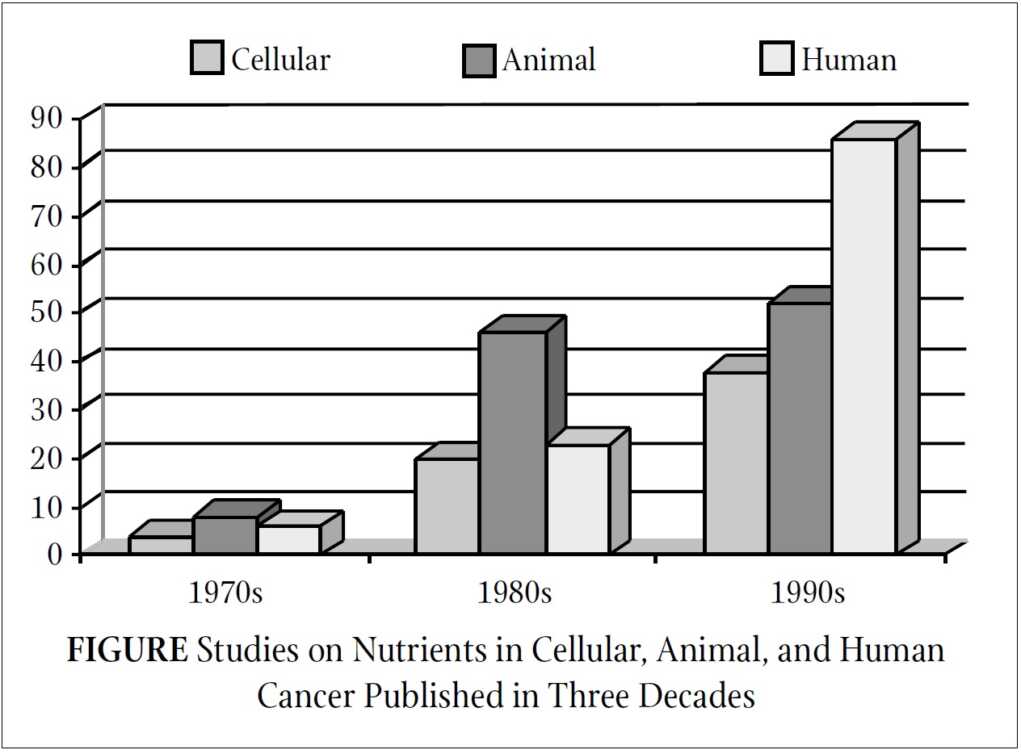 nnCancer cells accumulate excessive amounts of antioxidants due to a loss of the homeostasis control mechanism for the uptake of these nutrients. (168)nnNormal cells do not have this membrane defect and do not accumulate large amounts of antioxidants. Accumulating excessive antioxidants and nutrients in cancer cells can shut down the oxidative reactions necessary for generating energy. In addition, dietary antioxidants also produce biological effects on cancer cells that are not related to antioxidant action, as noted below.n
- n
- n
Antioxidants increase cancer cell differentiation and/or apoptosis and growth inhibition. (72, 169)
n
n
n
a. Antioxidants inhibit gene expression and/or activity of p53 mutant, c-myc, H-ras, Bcl2, c-neu, c-erbB2, vascular endothelial growth factor (VEGF), phosphotyrosine kinase, and protein kinase C.
n
b. Antioxidants enhance gene expression and/or activity of p53 wild-type, p21, c-fos, c-jun, HSP70, HSP90, connexin, transforming growth factor beta (TGFb), mitogen-activated protein (MAP) kinase, caspase, cyclin A and D and their kinases.
nn
- n
- n
Antioxidants selectively inhibit the repair of radiation damage of cancer cells but protect normal cells when antioxidants are used before, during, and after radiation—there are no published studies that show antioxidants protect cancer cells against radiation. (170)
n
n
n
- n
- n
Vitamin E reduces the expression of VEGF and thus acts as an anti-angiogenic factor.
n
n
nWith higher levels of intracellular accumulation of nutrients by cancer cells, more of these cellular alterations occur. These changes can lead to higher rates of cancer cell death and reduced rates of cell proliferation and induction of differentiation. These acquired changes in cancer cells that result from high doses of nutrients appear to override any protective action of antioxidants against free radical damage on cancer cells and account for what is demonstrated in the international literature about this subject. Nonprescription antioxidants and other nutrients do not interfere with cancer therapeutic modalities, enhance their killing capabilities, decrease their side effects, or protect normal tissues. (75)nnIn 15 human studies, 3,738 patients had prolonged survival. (75) Antioxidants and other nutrient food supplements have a very good safety profile (171) and appear to be safe in enhancing cancer patient care.nnIn conclusion, I feel that Boston C is one of the biggest breakthrough nutritional supplements ever developed due to its robust profile and significant track record of demonstrated clinical results.nn nnReferences:n
- n
- United States Centers for Disease Control Website: Micronutrient Facts https://bit.ly/2E46dFe (accessed March 17, 2019)
- World Health Organization Website: Micronutrients https://bit.ly/2E46dFe
- UNICEF (United Nations International Children’s Emergency Fund) Website https://uni.cf/2rv2kWj (accessed on 3/16/2019)
- Rock, C. L., Doyle, C. , Demark‐Wahnefried, W. , Meyerhardt, J. , Courneya, K. S., Schwartz, A. L., Bandera, E. V., Hamilton, K. K., Grant, B. , McCullough, M. , Byers, T. and Gansler, T. (2012), Nutrition and physical activity guidelines for cancer survivors. CA: A Cancer Journal for Clinicians, 62: 242-274.
- Committee on Micronutrient Deficiencies, Board on International Health, Food and Nutrition Board; Howson CP, Kennedy ET, Horwitz A: Prevention of Micronutrient Deficiencies: Tools for Policymakers and Public Health Workers. Washington, National Academy Press, 1998.
- World Health Organization, Food and Agricultural Organization of the United Nations. Vitamin and mineral requirements in human nutrition. Second edition. WHO website https://bit.ly/2utcyFD (accessed 3/16/2019)
- Biebinger R., Hurrell R.F. 3—Vitamin and mineral fortification of foods. In: Ottaway P.B., editor. Food Fortification and Supplementation. Woodhead Publishing; Cambridge, UK: 2008. pp. 27–40.
- Schaefer E. Micronutrient deficiency in women living in industrialized countries during the reproductive years: Is there a basis for supplementation with multiple micronutrients? J. Nutr. Disord. Ther. 2016;6:199. https://bit.ly/2HBUZMy
- Hwalla N, Al Dhaheri AS, Radwan H, et al. The Prevalence of Micronutrient Deficiencies and Inadequacies in the Middle East and Approaches to Interventions. Nutrients. 2017;9(3):229. Published 2017 Mar 3.
- Vitamin Preparations as Dietary Supplements and as Therapeutic Agents. JAMA. 1987;257(14):1929–1936.
- Gardner MN, Brandt AM. “The doctors’ choice is America’s choice”: the physician in US cigarette advertisements, 1930-1953. Am J Public Health. 2006 Feb;96(2):222-32. doi: 10.2105/AJPH.2005.066654. PMID: 16434689; PMCID: PMC1470496.nhttps://pubmed.ncbi.nlm.nih.gov/16434689/
- Fletcher RH and Fairfield KM. Vitamins for chronic disease prevention in adults: Clinical Applications. JAMA, June 19, 2002; 287:3127-129.
- Seabolt, Lynn. (2012). Consistent prevalence of inadequate micronutrient intakes across six years of second-year medical school students. Health. 04. 357-365.
- N Podell, R & R Gary, L & Keller, K. (1975). A profile of clinical nutrition knowledge among physicians and medical students. Journal of medical education. 50. 888-92.
- Gröber U., Holzhauer P., Kisters K., Holick M. F., Adamietz I. A. Micronutrients in oncological intervention. Nutrients. 2016;8(3):p. 163.
- Wada O. What are trace elements? Their deficiency and excess states. Japan Medical Association Journal. 2004;47(8):351–358. https://www.med.or.jp/english/pdf/2004_08/351_358.pdf
- Vural Z, Avery A, Kalogiros DI, Coneyworth LJ, Welham SJM. Trace Mineral Intake and Deficiencies in Older Adults Living in the Community and Institutions: A Systematic Review. Nutrients. 2020 Apr 13;12(4):1072. doi: 10.3390/nu12041072. PMID: 32294896; PMCID: PMC7230219.
- Castillo-Duran C, Cassorla F. Trace minerals in human growth and development. J Pediatr Endocrinol Metab. 1999;12(5):589–601
- Shazia Ashraf , M. Tariq Javed , Naheed Abbas , M. Asghar Butt and Sadaf Hameed , 2001. Levels of Serum Copper, Iron and Zinc along with Serum Total Proteins and Fractions in Diseased Malnourished Children of 4-12 Years of Age. Journal of Medical Sciences, 1: 141-146.
- El Okda E; Abdel-Hamid MA; Gadalla F; Sabry I. “IRON AND ZINC STATUS IN CHILDREN WITH SHORT STATURE”. Egyptian Journal of Occupational Medicine, 39, 1, 2015, 105-118. doi: 10.21608/ejom.2015.814
- Trace elements in human nutrition and health. Geneva: World Health Organization; 1996. https://apps.who.int/iris/handle/10665/37931
- Stevens GA, Beal T, Mbuya MNN, Luo H, Neufeld LM; Global Micronutrient Deficiencies Research Group. Micronutrient deficiencies among preschool-aged children and women of reproductive age worldwide: a pooled analysis of individual-level data from population-representative surveys. Lancet Glob Health. 2022 Nov;10(11):e1590-e1599. doi: 10.1016/S2214-109X(22)00367-9. PMID: 36240826
- Sight & Life: Micronutrients; Macro Impact, the Story of Vitamins and a Hungry World External, 2011
- 24a. Investing in the future: A united call to action on vitamin and mineral deficiencies. Global Report 2009 p. 1. 24b. Investing in the future: A united call to action on vitamin and mineral deficiencies. Global Report 2009 p. 2.
- Copyright 2021: Development Initiatives Poverty Research Ltd.nSuggested citation: 2021 Global Nutrition Report: The state of global nutrition. Bristol, UK: Development Initiatives.nhttps://globalnutritionreport.org/documents/851/2021_Global_Nutrition_Report_aUfTRv0.pdf
- Willett WC. Micronutrients and cancer risk. Am J Clin Nutr 1994;59(5 Suppl):1162S–5S.
- Enger, S. M., Longnecker, M. P., Chen, M. J., Harper, J. M., Lee, E. R., Frankl, H. D., and Haile, R. W. Dietary intake of specific carotenoids and vitamins A, C, and E, and prevalence of colorectal adenomas. Cancer Epidemiol. Biomark. Prev., 5: 147–153, 1996.
- Song H, Jeong A, Tran TXM, Lee J, Kim M, Park B. Association between Micronutrient Intake and Breast Cancer Risk According to Body Mass Index in South Korean Adult Women: A Cohort Study. Nutrients. 2022 Jun 26;14(13):2644. doi: 10.3390/nu14132644. PMID: 35807825; PMCID: PMC9268499 https://www.ncbi.nlm.nih.gov/pmc/articles/PMC9268499/
- Donaldson MS. Nutrition and cancer: a review of the evidence for an anti-cancer diet. Nutr J. 2004 Oct 20;3:19. doi: 10.1186/1475-2891-3-19. PMID: 15496224; PMCID: PMC526387.https://www.ncbi.nlm.nih.gov/pmc/articles/PMC526387/
- Chakraborty, Ashok & Guha, Smita & Chakraborty, Debjit. (2020). Micronutrients in Preventing Cancer: A Critical Review of Research. Asian Pacific Journal of Cancer Biology. 5. 119-125. 10.31557/apjcb.2020.5.3.119-125.nhttp://waocp.com/journal/index.php/apjcb/article/view/345
- Chakraborty, Ashok and Debjit Chakraborty. “Critical Review on Role of Micronutrients in Prevention of Cancer in India.” Asian Pacific Journal of Cancer Biology (2019): n. pag. https://www.semanticscholar.org/paper/Critical-Review-on-Role-of-Micronutrients-in-of-in-Chakraborty-Chakraborty/889e070f1b16cc794adfd63e1560dfc68ab2f2e9.
- Bostick, R. M., Potter, J. D., McKenzie, D. R., Sellers, T. A., Kushi, L. H., Steinmetz, K. A., and Folsom, A. R. Reduced risk of colon cancer with high intake of vitamin E: the Iowa Women’s Health Study. Cancer Res., 15: 4230–4237, 1993.
- Tayyem RF, Bawadi HA, Shehadah IN, Abu-Mweis SS, Agraib LM, Bani-Hani KE, Al-Jaberi T, Al-Nusairr M, Heath DD. Macro- and Micronutrients Consumption and the Risk for Colorectal Cancer among Jordanians. Nutrients. 2015; 7(3):1769-1786. https://doi.org/10.3390/nu70317690
- Keum N, Aune D, Greenwood DC, Ju W, Giovannucci EL. Calcium intake and colorectal cancer risk: dose-response meta-analysis of prospective observational studies. Int J Cancer. 2014 Oct 15;135(8):1940-8. doi: 10.1002/ijc.28840. Epub 2014 Mar 29. PMID: 24623471.
- Sun Z, Zhu Y, Wang PP, Roebothan B, Zhao J, Zhao J, Dicks E, Cotterchio M, Buehler S, Campbell PT, McLaughlin JR, Parfrey PS. Reported intake of selected micronutrients and risk of colorectal cancer: results from a large population-based case-control study in Newfoundland, Labrador and Ontario, Canada. Anticancer Res. 2012 Feb;32(2):687-96. PMID: 22287764 https://ar.iiarjournals.org/content/32/2/687
- Thomas U. Ahearn, Aasma Shaukat, W. Dana Flanders, Robin E. Rutherford, Roberd M. Bostick; A Randomized Clinical Trial of the Effects of Supplemental Calcium and Vitamin D3 on the APC/β-Catenin Pathway in the Normal Mucosa of Colorectal Adenoma Patients. Cancer Prev Res (Phila) 1 October 2012; 5 (10): 1247–1256. https://doi.org/10.1158/1940-6207.CAPR-12-0292.
- Jessie Satia-Abouta, Joseph A. Galanko, Christopher F. Martin, John D. Potter, Alice Ammerman and Robert S. Sandler, Associations of Micronutrients with Colon Cancer Risk in African Americans and Whites, Cancer Epidemiol Biomarkers Prev August 1 2003 (12) (8) 747-754;
- Maggini S, Pierre A, Calder PC. Immune Function and Micronutrient Requirements Change over the Life Course. Nutrients. 2018;10(10):1531. Published 2018 Oct 17.
- Mitra S, Paul S, Roy S, Sutradhar H, Bin Emran T, Nainu F, Khandaker MU, Almalki M, Wilairatana P, Mubarak MS. Exploring the Immune-Boosting Functions of Vitamins and Minerals as Nutritional Food Bioactive Compounds: A Comprehensive Review. Molecules. 2022 Jan 16;27(2):555. doi: 10.3390/molecules27020555. PMID: 35056870; PMCID: PMC8779769. https://www.ncbi.nlm.nih.gov/pmc/articles/PMC8779769/
- Calder P. Conference on ‘Transforming the nutrition landscape in Africa’. Plenary Session 1: Feeding the immune system. Proc. Nutr. Soc. 2013;72:299–309. https://bit.ly/2HDns4h
- Bhaskaram P. Micronutrient malnutrition, infection, and immunity: An overview. Nutr. Rev. 2002;60:S40–S45.
- Bresnahan K., Tanumihardjo S. Undernutrition, the acute phase response to infection, and its effects on micronutrient status indicators. Adv. Nutr. 2014;5:702–711.
- Gomes F, Baumgartner A, Bounoure L, et al. Association of Nutritional Support With Clinical Outcomes Among Medical Inpatients Who Are Malnourished or at Nutritional Risk: An Updated Systematic Review and Meta-analysis. JAMA Netw Open. 2019;2(11):e1915138. doi:10.1001/jamanetworkopen.2019.15138nhttps://jamanetwork.com/journals/jamanetworkopen/fullarticle/2755665
- Albers R., Bourdet-Sicard R., Braun D., Calder P., Herz U., Lambert C., Lenoir-Wijnkoop I., Meheurst A., Ouwehand A., Phothirath P., et al. Monitoring immune modulation by nutrition in the general population: Identifying and substantiating effects on human health. Br. J. Nutr. 2013:S110–S130.
- Sudhir Kr Sinha, Dr. (2014). Trace elements deficiency & cancer. IOSR Journal of Pharmacy and Biological Sciences. 9. 21-32.
- Maggini S., Maldonado P., Cardim P., Fernandez Newball C., Sota Latino E. Vitamins C., D and zinc: Synergistic roles in immune function and infections. Vitam. Miner. 2017;6:167.
- National Research Council (US) Committee on Diet and Health. Diet and Health: Implications for Reducing Chronic Disease Risk. Washington (DC): National Academies Press (US); 1989. 14, Trace Elements. Available from: https://www.ncbi.nlm.nih.gov/books/NBK218751/
- Abstracts for a conference on trace elements in diet, nutrition, and health: essentiality and toxicity. Cell Biol Toxicol 24 (Suppl 1), 1–130 (2008). https://doi.org/10.1007/s10565-007-9052-8 https://link.springer.com/article/10.1007/s10565-007-9052-8
- Yanagisawa H. Trace elements. J P N Med J. 2004;47:357-364.
- Elena, Popescu & Stănescu, Ana. (2019). Trace Elements and Cancer. Medicina Moderna – Modern Medicine. 26. 169-175. 10.31689/rmm.2019.26.4.169.nhttps://www.researchgate.net/publication/338782508_Trace_Elements_and_Cancer
- Gröber, Uwe. The Importance of micronutrients for cancer patients, 15 October 2014, Nutri-Facts, online article. https://www.nutri-facts.org/en_US/news/articles/the-importance-of-micronutrients-for-cancer-patients.html
- Schwartz M.K. Role of Trace Elements in Cancer. Cancer Res. 1975;35:3481–3487.
- E. J. Moynahan, M. J. Jackson, Stanley Hay, Umphray Bowie, J. S. Webb. Trace elements in man. Philosophical Transactions of the Royal Society of London. Biological Sciences. 11 December 1979, Volume 288 Issue 1026
- Gibson RS. Trace element deficiencies in humans. CMAJ. 1991;145(3):231.
- Al-Fartusie, Falah & N Mohssan, Saja. (2017). Essential Trace Elements and Their Vital Roles in Human Body. Indian Journal of Advances in Chemical Science. 5. 127-136.
- Fearon K.C., Voss A.C., Hustend D.S. Definition of cancer cachexia: Effect of weight loss, reduced food intake and systemic inflammation on functional status and prognosis. Am. J. Clin. Nutr. 2006;83:1345–1350.
- Tong H., Isenring E., Yates P. The prevalence of nutrition impact symptoms and their relationship to quality of life and clinical outcomes in medical oncology patients. Support Care Cancer. 2009;17:83–90.
- Ströhle A., Zänker K., Hahn A. Nutrition in oncology: The case of micronutrients (review) Oncol. Rep. 2010;24:815–828.
- Zürcher G. Vitamine, Spurenelemente und Mineralstoffe. Thieme; Stuttgart, Germany: 2002. Mangelernährung bei onkologischen Patienten.
- Aoyagi T, Terracina KP, Raza A, Matsubara H, Takabe K. Cancer cachexia, mechanism and treatment. World J Gastrointest Oncol. 2015 Apr 15;7(4):17-29. doi: 10.4251/wjgo.v7.i4.17. PMID: 25897346; PMCID: PMC4398892.nhttps://www.ncbi.nlm.nih.gov/pmc/articles/PMC4398892/
- Pirlich M., Schütz T., Norman K., Gastell S., Lübke H.J., Bischoff S.C., Bolder U., Frieling T., Güldenzoph H., Hahn K., et al. The German hospital malnutrition study. Clin. Nutr. 2006;25:563–572.
- Giordano, Karin & Jatoi, Aminah. (2005). A Synopsis of Cancer-related Anorexia and Weight Loss. Oncology & Hematology Review (US). 00. 1. 10.17925/OHR.2005.00.00.1o.nhttps://touchoncology.com/wp-content/uploads/sites/2/2015/07/private_articles_1109_pdf_onco2518.pdf
- Barker L.A., Gout B.S., Crowe T.C. Hospital malnutrition: Prevalence, identification and impact on patients and the healthcare system. Int. J. Environ. Res. Public Health. 2011;8:514–527.
- Mantovani G., Macciò A., Madeddu C., Mura L., Massa E., Gramignano G., Lusso M.R., Murgia V., Camboni P., Ferreli L. Reactive oxygen species, antioxidant mechanisms and serum cytokine levels in cancer patients: Impact of an antioxidant treatment. J. Cell. Mol. Med. 2002;6:570–582.
- Hopkins MH, Fedirko V, Jones DP, Terry PD, Bostick RM. Antioxidant micronutrients and biomarkers of oxidative stress and inflammation in colorectal adenoma patients: results from a randomized, controlled clinical trial. Cancer Epidemiol Biomarkers Prev. 2010 Mar;19(3):850-8. doi: 10.1158/1055-9965.EPI-09-1052. Epub 2010 Mar 3. PMID: 20200432. https://pubmed.ncbi.nlm.nih.gov/20200432/
- Saha SK, Lee SB, Won J, Choi HY, Kim K, Yang GM, Dayem AA, Cho SG. Correlation between Oxidative Stress, Nutrition, and Cancer Initiation. Int J Mol Sci. 2017 Jul 17;18(7):1544. doi: 10.3390/ijms18071544. PMID: 28714931; PMCID: PMC5536032. https://www.ncbi.nlm.nih.gov/pmc/articles/PMC5536032/
- Skrzydlewska E., Sulkowski S., Koda M., Zalewski B., Kanczuga-Koda L., Sulkowska M. Lipid peroxidation and antioxidant status in colorectal cancer. World J. Gastroenterol. 2005;11:403–406.
- Tsao S.M., Yin M.C., Liu W.H. Oxidant stress and B vitamins status in patients with non-small cell lung cancer. Nutr. Cancer. 2007;59:8–13.
- Zirpoli G.R., Brennan P.M., Hong C.C., McCann S.E., Ciupak G., Davis W., Unger J.M., Budd G.T., Hershman D.L., Moore H.C., et al. Supplement use during an intergroup clinical trial for breast cancer (S0221) Breast. Cancer Res. Treat. 2013;137:903–913.
- Dormand E.L., Banwell P.E., Goodacre T.E. Radiotherapy and wound healing. Int. Wound J. 2005;2:112–127.
- Muecke R., Micke O., Schomburg L., Glatzel M., Reichl B., Kisters K., Schaefer U., Eich H.T., Fakhrian K., Adamietz I.A., et al. German Working Group Trace Elements and Electrolytes in Oncology-AKTE. Multicenter, phase III trial comparing selenium supplementation with observation in gynecologic radiation oncology: Follow-up analysis of the survival data 6 years after cessation of randomization. Integr. Cancer Ther. 2014;13:463–467.
- Kedar N. Prasad, Rationale for Using High-Dose Multiple Dietary Antioxidants as an Adjunct to Radiation Therapy and Chemotherapy, The Journal of Nutrition, Volume 134, Issue 11, November 2004, Pages 3182S–3183S, https://doi.org/10.1093/jn/134.11.3182Snhttps://academic.oup.com/jn/article/134/11/3182S/4688586
- Jatoi A., Williams B.A., Marks R., Nichols F.C., Aubry M.C., Wampfler J., Yang P. Exploring vitamin and mineral supplementation and purported clinical effects in patients with small cell lung cancer: Results from the Mayo Clinic lung cancer cohort. Nutr. Cancer. 2005;51:7–12.
- Jatoi A., Williams B., Nichols F., Aubry M.C., Wampfler J., Yang P. Is voluntary vitamin and mineral supplementation associated with better outcome in non-small cell lung cancer patients? Results from the Mayo Clinic lung cancer cohort. Lung Cancer. 2005;49:77–84.
- Simone C.B., II, Simone N.L., Simone V., Simone C.B. Antioxidants and other nutrients do not interfere with chemotherapy or radiation therapy and can increase kill and increase survival, Part 2. Altern. Ther. Health Med. 2007;13:40–47.
- Dr. Rath Research Institute, https://bit.ly/2TppFC7 (accessed 3/16/2019)
- Niedzwiecki A, Roomi MW, Kalinovsky T, Rath M. Micronutrient synergy–a new tool in effective control of metastasis and other key mechanisms of cancer. Cancer Metastasis Rev. 2010;29(3):529-42.
- Dr. Rath Research Institute, https://bit.ly/3Ks8SuB (accessed 3/20/2019)
- Kale A, Gawande S, Kotwal S, Netke S, Roomi MW, Ivanov V, Niedzwiecki A, Rath M. A combination of green tea extract, specific nutrient mixture and quercetin: An effective intervention treatment for the regression of N-methyl-N-nitrosourea (MNU)-induced mammary tumors in Wistar rats. Onc Letters. 2010;1:313–317.
- Reid M.E., Duffield-Lillico A.J., Slate E., Natarajan N., Turnbull B., Jacobs E. The nutritional prevention of cancer: 400 mcg per day selenium treatment. Nutr. Cancer. 2008;60:155–163.
- Sieja K., Talerczyk M. Selenium as an element in the treatment of ovarian cancer in women receiving chemotherapy. Gynecol. Oncol. 2004;93:320–327.
- Moss R.W. Should patients undergoing chemotherapy and radiotherapy be prescribed antioxidants? Integr. Cancer. Ther. 2006;5:63–82.
- Moss RW. Do antioxidants interfere with radiation therapy for cancer? Integr Cancer Ther. 2007 Sep;6(3):281-92. doi: 10.1177/1534735407305655. PMID: 17761641. https://pubmed.ncbi.nlm.nih.gov/17761641/
- Kennedy DD, Santella RM, Wang Q, et al. 8-oxo-dG elevated in children during leukemia treatment. Integr Cancer Ther. 2004;3:301-309.
- Block K. I. et al. Impact of antioxidant supplementation on chemotherapeutic efficacy: a systematic review of the evidence from randomized controlled trials. Cancer Treat Rev. 2007; 33:407–418.
- Block K. I. et al. Impact of antioxidant supplementation on chemotherapeutic toxicity: a systematic review of the evidence from randomized controlled trials. Int J Cancer. 2008; 123:1227–1239.
- Simone C.B., 2nd, Simone N.L., Simone V., Simone C.B. Antioxidants and other nutrients do not interfere with chemotherapy or radiation therapy and can increase kill and increase survival, part 1. Altern. Ther. Health Med. 2007;13:22–28.
- Singh K, Bhori M, Kasu YA, Bhat G, Marar T. Antioxidants as precision weapons in war against cancer chemotherapy induced toxicity – Exploring the armoury of obscurity. Saudi Pharm J. 2017;26(2):177-190.
- US Food and Drug Administration GRAS database (accessed 3/16/2019)
- Butawan M, Benjamin RL, Bloomer RJ. Methylsulfonylmethane: Applications and Safety of a Novel Dietary Supplement. Nutrients. 2017;9(3):290. Published 2017 Mar 16.
- Sadollah Mohammadi, Moslem Najafi, Hossein Hamzeiy, et al., “Protective Effects of Methylsulfonylmethane on Hemodynamics and Oxidative Stress in Monocrotaline-Induced Pulmonary Hypertensive Rats,” Advances in Pharmacological Sciences, vol. 2012, Article ID 507278, 6 pages, 2012.
- Amirshahrokhi K., Bohlooli S. Effect of methylsulfonylmethane on paraquat-induced acute lung and liver injury in mice. Inflammation. 2013;36:1111–1121.
- Usha, P.R. & Naidu, M.U.R. Randomised, Double-Blind, Parallel, Placebo-Controlled Study of Oral Glucosamine, Methylsulfonylmethane and their Combination in Osteoarthritis. Clin. Drug Investig. (2004) 24: 353.
- Eda, Shashikala. (2021). Study of oral glucosamine, methylsulfonylmethane and their combination in osteoarthritis of the knee. International Journal of Research in Medical Sciences. 10. 225. 10.18203/2320-6012.ijrms20215059.nhttps://www.msjonline.org/index.php/ijrms/article/view/10397/69433
- Al laham, Shaza. (2019). THE CURATIVE EFFECT OF METHYLSULFONYLMETHANE ON AN EXPERIMENTAL MODEL OF ULCERATIVE COLITIS IN RATS. International Journal of Current Pharmaceutical Research. 51-54. 10.22159/ijcpr.2019v11i3.34101 https://innovareacademics.in/journals/index.php/ijcpr/article/view/34101/20050.
- Kim DH, Sp N, Kang DY, Jo ES, Rugamba A, Jang KJ, Yang YM. Effect of Methylsulfonylmethane on Proliferation and Apoptosis of A549 Lung Cancer Cells Through G2/M Cell-cycle Arrest and Intrinsic Cell Death Pathway. Anticancer Res. 2020 Apr;40(4):1905-1913. doi: 10.21873/anticanres.14145. PMID: 32234879.nhttps://ar.iiarjournals.org/content/40/4/19051
- Kamel R., El Morsy E.M. Hepatoprotective effect of methylsulfonylmethane against carbon tetrachloride-induced acute liver injury in rats. Arch. Pharm. Res. 2013;36:1140–1148.
- Bohlooli S., Mohammadi S., Amirshahrokhi K., Mirzanejad-asl H., Yosefi M., Mohammadi-Nei A., Chinifroush M.M. Effect of methylsulfonylmethane pretreatment on aceta-minophen induced hepatotoxicity in rats. Iran. J. Basic Med. Sci. 2013;16:896.
- Godwin S, Bloomer RJ, van der Merwe M, Benjamin R. MSM enhances LPS-induced inflammatory response after exercise. J Int Soc Sports Nutr. 2015;12(Suppl 1):P48. Published 2015 Sep 21.
- Beilke M.A., Collins-Lech C., Sohnle P.G. Effects of dimethyl sulfoxide on the oxidative function of human neutrophils. J. Lab. Clin. Med. 1987;110:91–96.
- Kim S.-H., Smith A.J., Tan J., Shytle R.D., Giunta B. Msm ameliorates HIV-1 tat induced neuronal oxidative stress via rebalance of the glutathione cycle. Am. J. Transl. Res. 2015;7:328.
- Childs S.J. Dimethyl sulfone (DMSO2) in the treatment of interstitial cystitis. Urol. Clin. N. Am. 1994;21:85–88.
- Hewlings S, Kalman DS. Evaluating the Impacts of Methylsulfonylmethane on Allergic Rhinitis After a Standard Allergen Challenge: Randomized Double-Blind Exploratory Study. JMIR Res Protoc. 2018 Nov 29;7(11):e11139. doi: 10.2196/11139. PMID: 30497995; PMCID: PMC6293242.nhttps://www.ncbi.nlm.nih.gov/pmc/articles/PMC6293242/
- Barrager E., Veltmann J.R.J., Schauss A.G., Schiller R.N. A multicentered, open-label trial on the safety and efficacy of methylsulfonylmethane in the treatment of seasonal allergic rhinitis. J. Altern. Complement. Med. 2002;8:167–173.
- Grimble R.F. The effects of sulfur amino acid intake on immune function in humans. J. Nutr. 2006;136:1660S–1665S.
- Parcell S. Sulfur in human nutrition and applications in medicine. Altern. Med. Rev. 2002;7:22–44.
- Ramoutar R.R., Brumaghim J.L. Antioxidant and anticancer properties and mechanisms of inorganic selenium, oxo-sulfur, and oxo-selenium compounds. Cell Biochem. Biophys. 2010;58:1–23.
- Lim E.J., Hong D.Y., Park J.H., Joung Y.H., Darvin P., Kim S.Y., Na Y.M., Hwang T.S., Ye S.-K., Moon E.-S. Methylsulfonylmethane suppresses breast cancer growth by down-regulating STAT3 and STAT5b pathways. PLoS ONE. 2012;7:e33361
- Nipin S., Darvin P., Yoo Y.B., Joung Y.H., Kang D.Y., Kim D.N., Hwang T.S., Kim S.Y., Kim W.S., Lee H.K. The combination of methylsulfonylmethane and tamoxifen inhibits the jak2/STAT5b pathway and synergistically inhibits tumor growth and metastasis in er-positive breast cancer xenografts. BMC Cancer. 2015;15:474
- Caron J.M., Bannon M., Rosshirt L., O’donovan L. Methyl sulfone manifests anticancer activity in a metastatic murine breast cancer cell line and in human breast cancer tissue-part i: Murine 4t1 (66CL-4) cell line. Chemotherapy. 2013;59:14–23.
- Caron J.M., Caron J.M. Methyl sulfone blocked multiple hypoxia-and non-hypoxia-induced metastatic targets in breast cancer cells and melanoma cells. PLoS ONE. 2015;10:e0141565
- Kang D.Y., Darvin P., Yoo Y.B., Joung Y.H., Sp N., Byun H.J., Yang Y.M. Methylsulfonylmethane inhibits her2 expression through STAT5b in breast cancer cells. Int. J. Oncol. 2016;48:836–842.
- P NS, Kang DY, Kim BJ, Joung YH, Darvin P, Byun HJ, Kim JG, Park JU, Yang YM. Methylsulfonylmethane Induces G1 Arrest and Mitochondrial Apoptosis in YD-38 Gingival Cancer Cells. Anticancer Res. 2017 Apr;37(4):1637-1646. doi: 10.21873/anticanres.11494. PMID: 28373424. https://ar.iiarjournals.org/content/37/4/1637
- Jafari N., Bohlooli S., Mohammadi S., Mazani M. Cytotoxicity of methylsulfonylmethane on gastrointestinal (AGS, HEPG2, and KEYSE-30) cancer cell lines. J. Gastrointest. Cancer. 2012;43:420–425.
- Kim J.-H., Shin H.-J., Ha H.-L., Park Y.-H., Kwon T.-H., Jung M.-R., Moon H.-B., Cho E.-S., Son H.-Y., Yu D.-Y. Methylsulfonylmethane suppresses hepatic tumor development through activation of apoptosis. World J. Hepatol. 2014;6:98–106.
- Karabay A.Z., Koc A., Ozkan T., Hekmatshoar Y., Sunguroglu A., Aktan F., Buyukbingol Z. Methylsulfonylmethane induces P53 independent apoptosis in HCT-116 colon cancer cells. Int. J. Mol. Sci. 2016;17:1123
- Joung Y.H., Na Y.M., Yoo Y.B., Darvin P., Sp N., Kang D.Y., Kim S.Y., Kim H.S., Choi Y.H., Lee H.K. Combination of ag490, a jak2 inhibitor, and methylsulfonylmethane synergistically suppresses bladder tumor growth via the jak2/STAT3 pathway. Int. J. Oncol. 2014;44:883–895.
- Caron J.M., Bannon M., Rosshirt L., Luis J., Monteagudo L., Caron J.M., Sternstein G.M. Methyl sulfone induces loss of metastatic properties and reemergence of normal phenotypes in a metastatic cloudman s-91 (M3) murine melanoma cell line. PLoS ONE. 2010;5:e11788.
- Duan, F., Li, Y., Chen, L., Zhou, X., Chen, J., Chen, H., Li, R.”Sulfur inhibits the growth of androgen-independent prostate cancer in vivo”. Oncology Letters 9.1 (2015): 437-441.
- Kowalska, Karolina & Ewa, Habrowska-Górczyńska & Domińska, Kamila & Urbanek, Kinga & Piastowska-Ciesielska, Agnieszka. (2018). Methylsulfonylmethane (organic sulfur) induces apoptosis and decreases invasiveness of prostate cancer cells. Environmental Toxicology and Pharmacology. 64.
- Kim DH, Kang DY, Sp N, Jo ES, Rugamba A, Jang KJ, Yang YM. Methylsulfonylmethane Induces Cell Cycle Arrest and Apoptosis, and Suppresses the Stemness Potential of HT-29 Cells. Anticancer Res. 2020 Sep;40(9):5191-5200. doi: 10.21873/anticanres.14522. PMID: 32878807. https://ar.iiarjournals.org/content/40/9/5191.long
- Rajamanickam S, Agarwal R. Natural products and colon cancer: current status and future prospects. Drug Dev Res. 2008;69(7):460-471.
- Kim Y., Kim D., Lim H., Baek D., Shin H., Kim J. The anti-inflammatory effects of methylsulfonylmethane on lipopolysaccharide-induced inflammatory responses in murine macrophages. Biol. Pharm. Bull. 2009;32:651–656.
- Kloesch B., Liszt M., Broell J., Steiner G. Dimethyl sulphoxide and dimethyl sulphone are potent inhibitors of IL-6 and IL-8 expression in the human chondrocyte cell line C-28/I2. Life Sci. 2011;89:473–478.
- Ahn H., Kim J., Lee M.-J., Kim Y.J., Cho Y.-W., Lee G.-S. Methylsulfonylmethane inhibits NLRP3 inflammasome activation. Cytokine. 2015;71:223–231.
- Oshima Y., Amiel D., Theodosakis J. The effect of distilled methylsulfonylmethane (msm) on human chondrocytes in vitro. Osteoarthr. Cartil. 2007;15:C123.
- Hasegawa T., Ueno S., Kumamoto S., Yoshikai Y. Suppressive effect of methylsulfonylmethane (MSM) on type ii collagen-induced arthritis in dba/1j mice. Jpn. Pharmacol. Ther. 2004;32:421–428.
- Amiel D., Healey R.M., Oshima Y. Assessment of methylsulfonylmethane (MSM) on the development of osteoarthritis (OA): An animal study. FASEB J. 2008;22:1094.3.
- Debbi E.M., Agar G., Fichman G., Ziv Y.B., Kardosh R., Halperin N., Elbaz A., Beer Y., Debi R. Efficacy of methylsulfonylmethane supplementation on osteoarthritis of the knee: A randomized controlled study. BMC Complement. Altern. Med. 2011;11:50
- Kim L.S., Axelrod L.J., Howard P., Buratovich N., Waters R.F. Efficacy of methylsulfonylmethane (MSM) in osteoarthritis pain of the knee: A pilot clinical trial. Osteoarthr. Cartil. 2006;14:286–294.
- Debi R., Fichman G., Ziv Y.B., Kardosh R., Debbi E., Halperin N., Agar G. The role of msm in knee osteoarthritis: A double blind, randomized, prospective study. Osteoarthr. Cartil. 2007;15:C231.
- Pagonis T.A., Givissis P.A., Kritis A.C., Christodoulou A.C. The effect of methylsulfonylmethane on osteoarthritic large joints and mobility. Int. J. Orthop. 2014;1:19–24.
- R. Sotolongo, Jose & Swerdlow, Frederick & I. Schiff, Howard & E. Schapira, Hans. (1984). Successful treatment of lupus erythematosus cystitis with DMSO. Urology. 23. 125-7.
- Barmaki S., Bohlooli S., Khoshkhahesh F., Nakhostin-Roohi B. Effect of methylsulfonylmethane supplementation on exercise—Induced muscle damage and total antioxidant capacity. J. Sports Med. Phys. Fit. 2012;52:170.
- Melcher D.A., Lee S.-R., Peel S.A., Paquette M.R., Bloomer R.J. Effects of methylsulfonylmethane supplementation on oxidative stress, muscle soreness, and performance variables following eccentric exercise. Gazz. Med. Ital.-Arch. Sci. Med. 2016;175:1–13.
- Kalman D.S., Feldman S., Samson A., Krieger D.R. A randomized double blind placebo controlled evaluation of msm for exercise induced discomfort/pain. FASEB J. 2013;27:1076–1077.
- Kalman D.S., Feldman S., Scheinberg A.R., Krieger D.R., Bloomer R.J. Influence of methylsulfonylmethane on markers of exercise recovery and performance in healthy men: A pilot study. J. Int. Soc. Sports Nutr. 2012;9:46.
- Withee ED, Tippens KM, Dehen R, Hanes D. Effects of MSM on exercise-induced muscle and joint pain: a pilot study. J Int Soc Sports Nutr. 2015;12(Suppl 1):P8. Published 2015 Sep 21.
- van der Merwe M, Bloomer RJ, The Influence of Methylsulfonylmethane on Inflammation-Associated Cytokine Release before and following Strenuous Exercise. J Sports Med (Hindawi Publ Corp). 2016; 2016():7498359.
- Withee ED, Tippens KM, Dehen R, Tibbitts D, Hanes D, Zwickey H. Effects of Methylsulfonylmethane (MSM) on exercise-induced oxidative stress, muscle damage, and pain following a half-marathon: a double-blind, randomized, placebo-controlled trial. J Int Soc Sports Nutr. 2017;14:24. Published 2017 Jul 21.
- Nakhostin-Roohi B, Niknam Z, Vaezi N, Mohammadi S, Bohlooli S. Effect of single dose administration of methylsulfonylmethane on oxidative stress following acute exhaustive exercise. Iran J Pharm Res. 2013;12(4):845-53.
- Morillas-Ruiz J, Zafrilla P, Almar M. The effects of an antioxidant-supplemented beverage on exercise-induced oxidative stress: results from a placebo-controlled double-blind study in cyclists. Eur. J. Appl. Physiol. 2005;95:543–9.
- Nakhostin-Roohi B, Barmaki S, Khoshkhahesh F, Bohlooli S. Effect of chronic supplementation with methylsulfonylmethane on oxidative stress following acute exercise in untrained healthy men. J Pharm Pharmacol. 2011;63:1290–1294.
- Marañón G, Muñoz-Escassi B, Manley W, et al. The effect of methyl sulphonyl methane supplementation on biomarkers of oxidative stress in sport horses following jumping exercise. Acta Vet Scand. 2008;50(1):45. Published 2008 Nov 7.
- AKRAMAS, L., LEONAVIČIENĖ, L., BRADŪNAITĖ, R., VAITKIENĖ, D., VASILIAUSKAS, V., DUMALAKIENĖ, I., ZABULYTĖ, D., NORMANTIENĖ, T., & JONAUSKIENĖ, I. (2019). Methylsulfonylmethane alone or in combination with thiocolchicoside modulate autoimmune disease in rats with adjuvant arthritis. Journal of the Hellenic Veterinary Medical Society, 70(2), 1561–1572. https://doi.org/10.12681/jhvms.20862
- Vidyasagar S., Mukhyaprana P., Shashikiran U., Sachidananda A., Rao S., Bairy K.L., Adiga S., Jayaprakash B. Efficacy and tolerability of glucosamine chondroitin sulphate-methyl sulfonyl methane (MSM) in osteoarthritis of knee in indian patients. Iran. J. Pharmacol. Ther. 2004;3:61–65. http://www.bioline.org.br/pdf?pt04009
- Radwan, Omyma & Shehata, Ahmed. (2016). Comparison of the therapeutic actions of taurine, methylsulfonylmethane and silymarin against acetaminophen-induced neuro-and hepato-toxicity in adult male albino rats. Journal of Biomedical and Pharmaceutical Research. 5. 10-17.
- Anthonavage M., Benjamin R.L., Withee E.D. Effects of oral supplementation with methylsulfonylmethane on skin health and wrinkle reduction. Nat. Med. J. 2015;7
- Otto Warburg – Biographical. NobelPrize.org. Nobel Media AB 2019. https://www.nobelprize.org/prizes/medicine/1931/warburg/biographical/
- Warburg O, Wind F, Negelein E. The metabolism of tumors in the body, J Gen Physiol , 1927, vol. 8 pg. 519
- Avril N, Menzel M, Dose J, et al. Glucose metabolism of breast cancer assessed by 18F-FDG PET: histologic and immunohistochemical tissue analysis, J Nucl Med , 2001, vol. 42 pg. 9
- U.S. Centers for Medicare & Medicaid Services, PET scans, https://www.cms.gov/medicare-coverage-database/view/ncd.aspx?NCDId=211&ncdver=3&bc=AAAAEAAAAQAA
- Alavi, A. and Reivich, M. Guest editorial: the conception of FDG-PET imaging. Semin Nucl Med. 2002; 32: 2–5
- Beyer, T., Townsend, D.W., Brun, T., Kinahan, P.E., Charron, M., Roddy, R. et al. A combined PET/CT scanner for clinical oncology. J Nucl Med. 2000; 41: 1369–1379
- Weiner, John. Seeing More with PET Scans: Scientists Discover New Way to Label Chemical Compounds for Medical Imaging. Lawrence Livermore National Laboratory, U.S. Department of Energy website. July 27, 2017. https://newscenter.lbl.gov/2017/07/27/new-chemistry-pet-scans-medical-imaging/
- Stanford University Healthcare, How PET Scans work, https://shc.is/2UP6KSB (accessed March 15, 2019)
- Grandics P. Cancer: a single disease with a multitude of manifestions?. J Carcinog. 2003;2(1):9. Published 2003 Nov 18.
- USDA Nutrient Database for Standard Reference. Composition of Foods Blackstrap molasses. https://fdc.nal.usda.gov/fdc-app.html#/food-details/2083941/nutrients
- Scott C. Crude black molasses. New York: Benedict Lust Publications; 1980.
- Ames BA. DNA damage from micronutrient deficiencies is likely to be a major cause of cancer. Mutat Res. 2001;475:7–20.
- Mee JML, Coy C, Stanley RW. Amino acid and fatty acid composition of cane molasses. J Food Sci Agric. 1979;30:429–432.
- Serrano M, Thompson LU. The effect of flaxseed supplementation on early risk markers for mammary carcinogenesis. Cancer Lett. 1991;60:135.
- Thompson LU, Rickard SE, Orcheson LJ, Seidl MM. Flaxseed and its lignan and oil components reduce mammary tumor growth at a late stage of carcinogenesis. Carcinogenesis. 1996;17:1373–1376.
- Prakash MD, Stojanovska L, Feehan J, Nurgali K, Donald EL, Plebanski M, Flavel M, Kitchen B, Apostolopoulos V. Anti-cancer effects of polyphenol-rich sugarcane extract. PLoS One. 2021 Mar 10;16(3):e0247492. doi: 10.1371/journal.pone.0247492. PMID: 33690618; PMCID: PMC7946306.
- Fahey GC, Williams JE, McLaren GA. Influence of molasses lignin-hemicellulose fractions in rat nutrition. J Nutr. 1976;106:1447–1451.
- Phillips KM, Carlsen MH, Blomhoff R. Total antioxidant content of alternatives to refined sugar. J Am Diet Assoc. 2009 Jan;109(1):64-71. doi: 10.1016/j.jada.2008.10.014. PMID: 19103324. https://pubmed.ncbi.nlm.nih.gov/19103324/
- Hegazy RA, El-Faramawy AA. Substitution of sugar cane bagasse in the chicken diet and immune response. Nahrung/Food. 2001;45:364–367.
- Agus DB, Vera JC, Golde DW. Stromal cell oxidation: a mechanism by which tumors obtain vitamin C. Cancer Res. 1999 Sep 15;59(18):4555-8. PMID: 10493506. https://pubmed.ncbi.nlm.nih.gov/10493506/
- Prasad KN, Kumar A, Kochupillai V, Cole WC. High doses of multiple antioxidant vitamins: essential ingredients in improving the efficacy of standard cancer therapy. J Am Coll Nutr. 1999 Feb;18(1):13-25. doi: 10.1080/07315724.1999.10718822. PMID: 10067654. https://pubmed.ncbi.nlm.nih.gov/10067654/
- Prasad KN, Cole WC, Kumar B, Che Prasad K. Pros and cons of antioxidant use during radiation therapy. Cancer Treat Rev. 2002 Apr;28(2):79-91. doi: 10.1053/ctrv.2002.0260. PMID: 12297116. https://pubmed.ncbi.nlm.nih.gov/12297116/
- https://doctorfarrah.com/2021/02/04/how-safe-are-nutritional-supplements
n
n
n
n
n
n
n
n
n
n
n
n
n
n
n
n
n
n
n
n
n
n
n
n
n
n
n
n
n
n
n
n
n
n
n
n
n
n
n
n
n
n
n
n
n
n
n
n
n
n
n
n
n
n
n
n
n
n
n
n
n
n
n
n
n
n
n
n
n
n
n
n
n
n
n
n
n
n
n
n
n
n
n
n
n
n
n
n
n
n
n
n
n
n
n
n
n
n
n
n
n
n
n
n
n
n
n
n
n
n
n
n
n
n
n
n
n
n
n
n
n
n
n
n
n
n
n
n
n
n
n
n
n
n
n
n
n
n
n
n
n
n
n
n
n
n
n
n
n
n
n
n
n
n
n
n
n
n
n
n
n
n
n
n
n
n
n
n
n
n
n
n nnAre there Boston C testimonials?nnThere are considerable testimonials praising the benefits of Boston C. These can be seen at https://www.youtube.com/channel/UCVeE2tR46vhvNSZMWwHmmzQ However, testimonials should not be considered as medical evidence, as there are an infinite number of variables that may have contributed to any person’s success.nn nnLegal DisclaimernnStatements regarding dietary supplements have not been evaluated by the FDA and are not intended to diagnose, treat, cure, or prevent any disease or health condition.nn nnFDA CompliancennThis information presented on this website is based on the scientific research and clinical results of Dr. Farrah™ Agustin-Bunch, M.D. The information on this website has not been evaluated by the Food & Drug Administration or any other medical body. We do not aim to diagnose, treat, cure or prevent any illness or disease. Information is shared for educational and research purposes only. You must consult your doctor before acting upon any content on this website, especially if you are pregnant, nursing, taking medication, or have any medical condition.


